In a dramatic development reflecting escalating regional tensions, Israeli media reports on Sunday revealed large-scale military movements within the Israeli army.
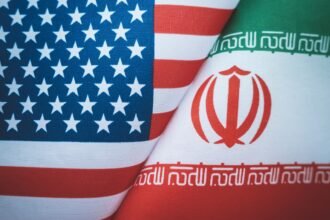
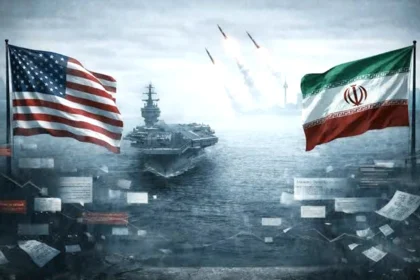
These movements come in the wake of the diplomatic deadlock between Washington and Tehran,
which occurred during the latest round of negotiations held in the Pakistani capital, Islamabad.
Raising readiness to “immediate level”
A detailed report in the Israeli newspaper Yediot Ahronot stated that the Israeli army chief of staff,
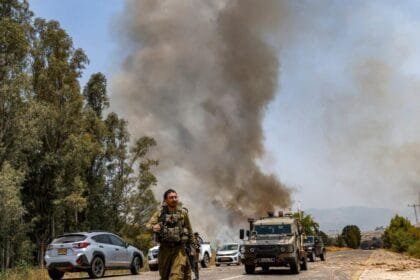
Eyal Zamir, issued strict instructions to raise the alert level to “immediate.”
The newspaper quoted senior military sources as saying that combat units have
already begun implementing organized procedures at an accelerated pace.
These procedures mimic the logistical and field preparations that precede major military operations.
The new directives included the necessity of reducing operational response times and replenishing all equipment and ammunition deficiencies.
Furthermore, the highest levels of vigilance must be maintained across all sectors.
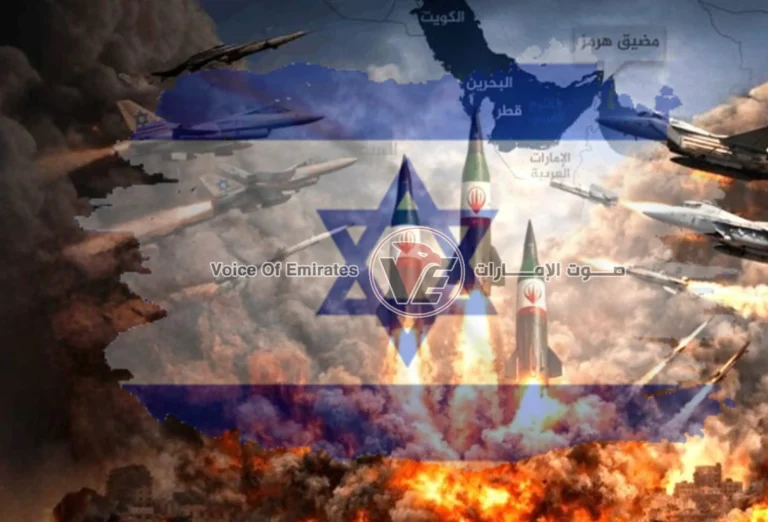
This mobilization comes in anticipation of a possible resumption of direct military confrontation with Iran,
especially after the failure of talks to achieve any significant breakthrough.
Building a new “target bank” and the failure of diplomacy
Israeli sources confirmed that Tel Aviv did not expect flexibility from the Iranian side,
noting that Tehran left no room for maneuver for the American delegation during the talks in Pakistan.
In this regard, the newspaper revealed that Israeli intelligence is currently updating and building a “new target bank” deep inside Iran.
This bank primarily focuses on ballistic missile systems and launch sites. This is being done as part of a plan for a rapid return to combat.
Despite Israeli “satisfaction” with the hardline approach adopted by the American delegation,
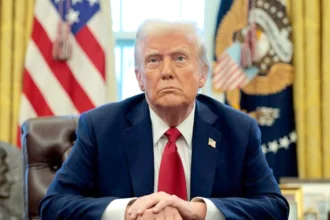
the report clarified that the final decision remains pending the position of US President Donald Trump.
While the military leans toward escalation, a faction within the Trump administration
and Vance prefers to give Pakistani mediation another chance to avoid sliding into a full-blown war.
Estimates vary, and opportunities for de-escalation are uncertain
In contrast, the Israeli Broadcasting Corporation (Kan) presented a less dire view, indicating that internal assessments suggested the possibility of
a brief extension of the current ceasefire. This would allow for further political negotiations.
For its part, Tehran confirmed that the Islamabad talks ended without an agreement.
Iranian Foreign Ministry spokesman Ismail Baghaei stated that while understandings had been reached
on certain issues, disagreements over “two or three key issues” prevented a final agreement.
This complex situation presents the region with two unpalatable scenarios: either last-minute diplomacy
or a return to armed conflict and open warfare that could alter the balance of power in the Middle East.