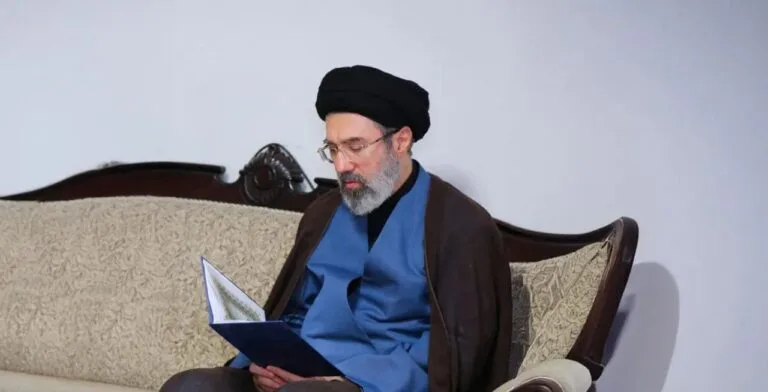
Tehran, Iran – Three sources close to the inner circle of Iran’s new Supreme Leader, Mojtaba Khamenei, revealed precise and sensitive details regarding his health condition, confirming that he is still recovering from severe injuries he sustained as a result of the air raid that killed his father at the beginning of the current war.
Severe injuries and mental presence
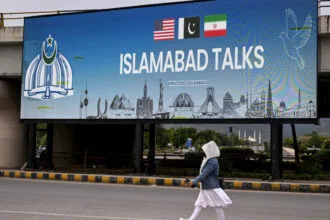
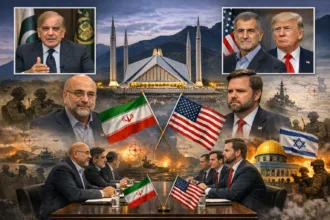
Reuters quoted three sources, who requested anonymity, as saying that Khamenei’s son (56 years old) suffered “severe facial disfigurement” as a result of the attack that targeted a compound in central Tehran, and that he also sustained serious injuries to his legs. Despite the severity of his physical injuries, the sources emphasized that the new Supreme Leader still possesses “high mental capacity,” which has enabled him to continue managing the levers of power behind the scenes. Two sources close to him confirmed that Mojtaba regularly participates in high-level meetings with senior officials via video conference, where he exercises his authority in making crucial decisions, particularly regarding the ongoing war and the sensitive negotiations that began on Saturday with the United States in the Pakistani capital, Islamabad.
Questions of sovereignty and the ambiguity of absence
This report comes at a time when Iran is experiencing its most serious political and security crisis in decades. The Supreme Leader’s absence from public view raises pressing questions about his actual ability to lead the country amidst unpredictable peace talks.
This is the most detailed account of Khamenei’s condition in weeks, although these accounts could not be independently verified. To date, Khamenei’s whereabouts remain shrouded in mystery; no video, audio recording, or photograph of him has been released since his appointment as successor to his father on March 8, fueling suspicions among the Iranian public and international observers about the seriousness of his health condition.
Official silence
For its part, Iran’s mission to the United Nations remained silent and did not respond to Reuters’ inquiries regarding the extent of Khamenei’s injuries or the true reasons behind his continued absence from public view.
Analysts believe that this ongoing ambiguity could weaken the Iranian negotiating team’s position in Islamabad, where adversaries are seeking to assess the stability of the decision-making center in Tehran, while those close to Mojtaba Khamenei are trying to emphasize that the regime’s “mastermind” remains active, even if physically absent.