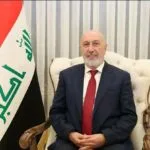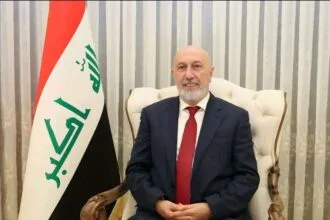
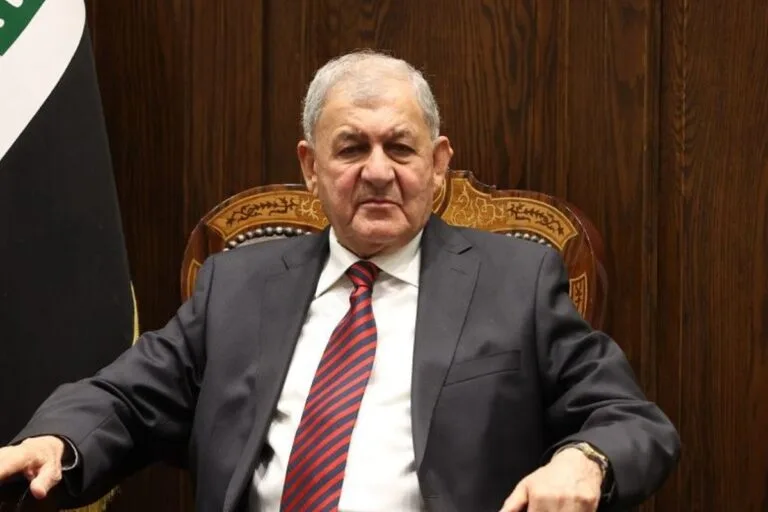
Baghdad, Iraq – The Iraqi president announced his withdrawal from the presidential race for a second term, a surprise move reflecting potential shifts in the country’s political landscape. It also opens the door to new arrangements within the political class in the coming period.
In an official statement, the Iraqi president explained that his decision stems from his desire to pave the way for new leadership and support the peaceful transfer of power. He emphasized that rejuvenating state institutions is essential for maintaining stability and strengthening trust between the state and its citizens.
He noted that Iraq is going through a critical phase that requires prioritizing the national interest over political calculations, calling on all forces and parties to work in a spirit of consensus and partnership. This, he said, is necessary to ensure the continued functioning of state institutions without disruption.
The president affirmed that he will continue to perform his constitutional duties until the end of his current term, with a full commitment to ensuring a smooth and orderly transfer of power, in accordance with the country’s legal and constitutional frameworks.
This move comes at a time of increasing activity on the Iraqi political scene, as political forces prepare for upcoming elections. This is occurring amidst discussions about the shape of the next phase and the possibility of putting forward consensus candidates who enjoy broad support within parliament.
Observers believe that the withdrawal decision may contribute to easing some political tensions and open the door to realigning alliances within parliament. This is especially relevant given the divisions within some political blocs.
It is also expected that political forces will engage in intensive consultations in the coming period to select a figure capable of leading the next phase. Furthermore, they are striving to achieve a balance among the various parties, in light of internal and external challenges that require flexible and consensual leadership.
This development comes within a complex regional and international context, which necessitates that Iraq maintain its internal stability and strengthen its institutions. This will enable it to confront security and economic challenges and move forward on the path of reform and development.