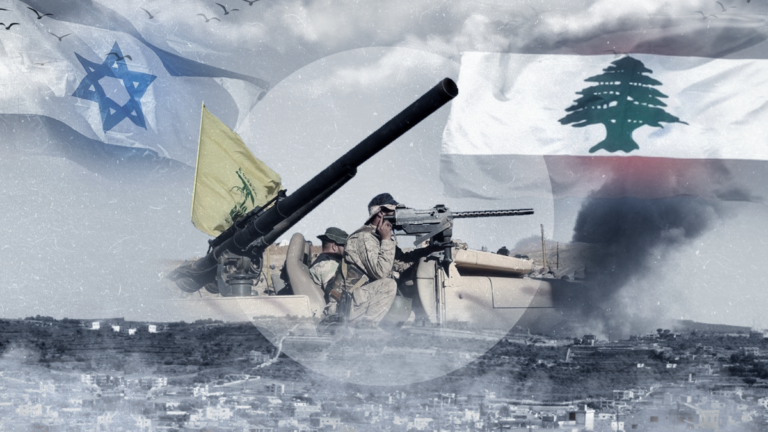
Beirut, Lebanon – In a first in the history of the conflict between the two countries, the Lebanese presidency announced the first direct telephone contact between Lebanon and Israel through their respective ambassadors in Washington. This unprecedented move, brokered by the United States, aims to end the ongoing conflict between Israel and Hezbollah. It also seeks to pave the way for formal negotiations to resolve the dispute.
Tuesday meeting at the US State Department
A statement from the Lebanese presidency confirmed that a call took place between Lebanon’s ambassador to Washington, Nada Hamadeh Mouawad, and Israel’s ambassador, Yehiel Leiter, with the participation of the US ambassador to Beirut, Michael Issa. This communication resulted in an agreement to hold the first official meeting next Tuesday at the US State Department in Washington to discuss a ceasefire declaration and set a date for the start of US-sponsored negotiations. Despite this breakthrough, obstacles on the ground remain. A Lebanese government official stated that Beirut is demanding a complete ceasefire before entering into any substantive negotiations. Israel, for its part, has clearly stated that it “will not discuss a ceasefire with Hezbollah.” However, it has agreed to begin formal peace negotiations with the Lebanese government.
International pressure to stop the “drain”
According to sources cited by Axios, Beirut and Washington have asked Tel Aviv to agree to a “temporary halt” to the attacks to facilitate diplomatic efforts. These moves come amid Lebanese President Joseph Aoun’s desire to end Lebanon’s involvement in the conflict. This conflict began on March 2nd, following rocket fire by Hezbollah, which prompted a large-scale Israeli response and a ground operation in southern Lebanon.
The exorbitant cost of war
These negotiations are taking place against a backdrop of horrific bloodshed; the Lebanese Ministry of Health raised the death toll from last Wednesday’s intense airstrikes to 357. This brings the total number of dead in the war to over 2,000. For its part, the Israeli army announced the “dismantling” of more than 4,300 Hezbollah sites and the killing of approximately 1,400 of its members since the outbreak of hostilities. As Tuesday’s meeting approaches, political circles are watching closely to see if Washington’s diplomacy can de-escalate the situation on the ground. This is particularly relevant after Hezbollah Secretary-General Naim Qassem called on Lebanese officials to cease what he termed “gratuitous concessions.” This places Lebanon before a difficult test in disentangling the political front from the military arena.