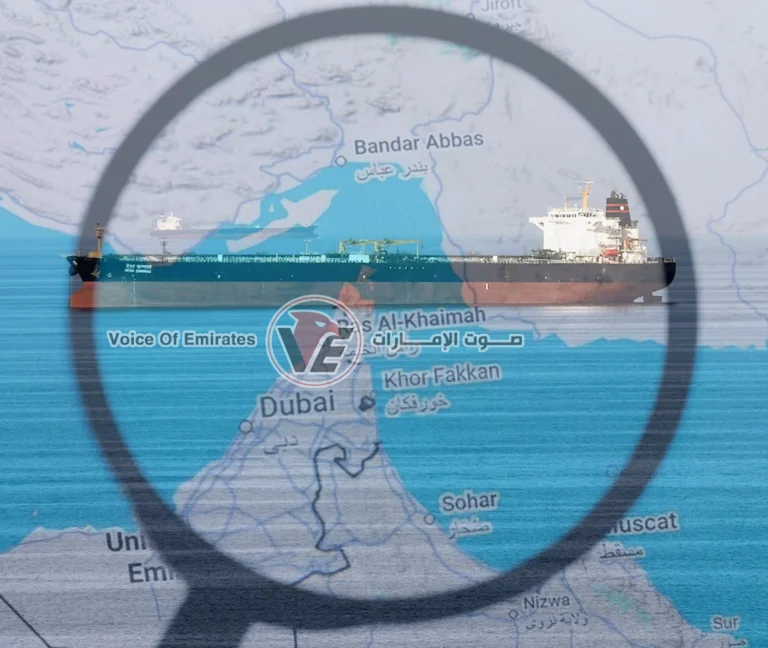
Hormuz, Iran – According to Marine Traffic, a non-Iranian oil tanker has transited the Strait of Hormuz for the first time since the ceasefire between the United States and Iran was announced. This signals the potential resumption of maritime traffic in the region, following weeks of heightened tensions and a near-total disruption of global energy supplies.
Maritime navigation
Website data showed that the strait was once again crossed by a key tanker, which passed through smoothly, after shipping traffic had come to a near standstill. Only one oil product tanker and five dry cargo ships had transited in the initial hours of the ceasefire. By comparison, the average was 140 ships per day before the war.
global economic impact
The tanker’s passage is an initial indication of stabilizing oil supplies, amid record-high crude prices during the conflict. However, a significant portion of global supply remains suspended. Moreover, the movement of each tanker is carefully monitored now. Consequently, this continues to put pressure on international energy markets and leads to considerable volatility in gasoline and fuel prices.
Context of the agreement and international pressures
These developments come after the United States and Iran announced a ceasefire, brokered by Pakistan. However, disagreements persist regarding the scope of the agreement, particularly concerning Lebanon and Yemen. International parties are seeking to ensure the unhindered passage of every tanker through the Strait of Hormuz. This is part of efforts to de-escalate tensions in the Gulf and safeguard global trade.