Beirut, Lebanon – The situation on the ground in Lebanon continues to fluctuate between the raging war machine in the south and a cautious, terrified calm in Beirut’s southern suburbs. Meanwhile, Lebanese officials are awaiting a potential American diplomatic initiative, which could alter the course of the current confrontation.
Night of the Fires in the South
Israeli airstrikes have continued unabated since midnight, with aircraft and drones launching a series of intense attacks targeting towns in southern Lebanon. The National News Agency reported that an Israeli drone targeted a motorcycle in the town of Babliyeh, near Sidon, while the town of Sarafand was hit by two airstrikes at dawn. The escalation was not confined to the coast but extended deep into the Nabatieh and Jezzine districts. An airstrike destroyed a house in the town of Kfar Tebnit, and another targeted the area between Zifta, Marwaniyeh, and the town of Haboush. Strikes also hit wooded areas between Mahmoudiyeh and Jarmaq. This reflects Israel’s determination to expand the geographical scope of its attacks.
Southern suburbs: Tensions under alert
In Beirut, a heavy silence hangs over the southern suburbs after the Israeli army issued emergency evacuation warnings to residents of several areas, including Haret Hreik, Ghobeiri, Laylaki, Hadath, Burj al-Barajneh, Tahwita al-Ghadir, Chiyah, and Jnah. This calm does not reflect stability, but rather a state of anticipation for imminent strikes. These strikes may target what Israel describes as “military infrastructure” located amidst civilian residential neighborhoods.
The diplomatic track: Washington’s awaited message
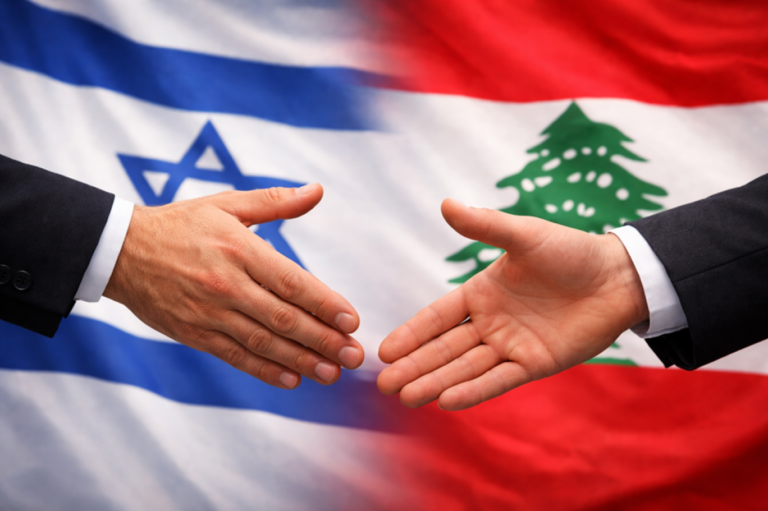
On the political front, the Lebanese government awaits a message from the United States clarifying Israel’s position on engaging in direct negotiations. These developments follow Israeli Prime Minister Benjamin Netanyahu’s announcement that he has instructed his government to begin negotiations with Lebanon as soon as possible. While some view this invitation as a maneuver to absorb international pressure, others consider it an opportunity to de-escalate tensions. However, the greatest challenge remains the wide gap between the language of negotiation employed in political circles and the language of bombardment and destruction that continues to dominate the battlefield. This situation places the fate of the regional “two-week agreement” under severe scrutiny.