Erbil, Iraq – In a scene recalling a long history of “betrayal and abandonment,” an investigative report by Reuters revealed the behind-the-scenes story of eight days of hell experienced by the Kurds amid the (hypothetical/assumed) war between the United States and Israel on one side and Iran on the other.
The report documents how American promises of “support for a Kurdish invasion” turned into a mirage, leaving fighters face-to-face with missiles from the Islamic Revolutionary Guard Corps.
Collapse of the “Kurdish Dream” in 48 Hours
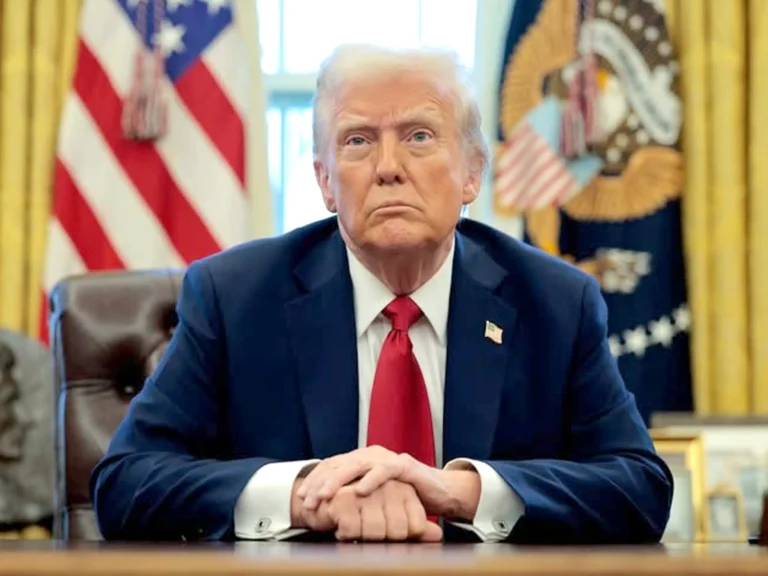
The political drama began on the sixth day of the war, when U.S. President Donald Trump made a fiery statement endorsing the idea of Kurdish forces stationed in Iraq launching a ground invasion into Iran, describing it as “a great thing.”
This green light sparked unprecedented enthusiasm among Kurdish opposition factions in exile, who saw the war as a historic opportunity to topple the regime in Tehran.
However, the shock came on the eighth day, when Donald Trump abruptly reversed his stance aboard Air Force One, saying: “We are not looking at involving the Kurds… I have completely ruled that out.” This “reversal” was not just a political statement but effectively removed air and political cover from thousands of fighters preparing to advance.
Psychological Warfare and Iron Grip
While Washington was sending mixed signals, Tehran was acting with surgical precision.
Iranian intelligence preempted any field movement by flooding Kurdish phones with text messages warning against cooperation with “mercenaries,” followed by sweeping operations to detect satellite signals (Starlink) and raid homes.
On the ground, the Islamic Revolutionary Guard Corps adopted brinkmanship tactics with the Kurdistan Regional Government.
According to officials, Tehran issued a final warning to Iraqi Kurdish forces: “Withdraw from the border within one hour, or expect a hell of missiles.”
Indeed, Iraqi forces withdrew, but this did not protect Iranian Kurdish counterparts, whose bases were hit by precise ballistic strikes resulting in casualties and the destruction of what were believed to be secure fortifications.
Numbers from the Battlefield
An analysis by Reuters of data from ACLED showed the scale of systematic targeting in the Kurdish region:
- 388 missiles and drones launched by Iran and its allies at Kurdistan in Iraq.
- 140 strikes carried out by the United States and Israel on IRGC positions in northwestern Iran.
- 50 buses carrying elite IRGC forces deployed to reinforce the border and prevent internal uprisings.
“Cannon Fodder” or Allies?
Despite calls by Benjamin Netanyahu for Iranian peoples (Persians, Kurds, Azeris) to rise up, fighters on the ground felt they were used as “bait.”
Ribaz Sharifi, a Kurdish faction commander, said bitterly: “Everyone thought the regime was weakened, but Iran has forces ready for mass killing.”
With Donald Trump announcing a two-week ceasefire to open negotiations, the Kurds found themselves in a gray zone—neither overthrowing the regime nor escaping ongoing Iranian bombardment that continued until the final moments before the truce.
Sharifi concluded with words that sum up the tragedy: “If an agreement is reached between Washington and Tehran, we will be the price… we will be killed and executed in cold blood.”