Beirut, Lebanon – Lebanese Prime Minister Nawaf Salam declared Thursday a national day of mourning across the country to commemorate the hundreds of victims killed in a series of intense Israeli airstrikes targeting densely populated residential areas. This decision comes as Lebanon grapples with a major humanitarian crisis. Meanwhile, conflicting reports persist regarding the fate of regional ceasefire agreements.
Day of mourning and complete lockdown
In an official statement, Salam confirmed that government departments, public institutions, and municipalities will close tomorrow, with flags flown at half-staff at official buildings.
He also directed media outlets to adjust their programming to reflect the magnitude of the tragedy that befell “innocent and defenseless civilians.”
This step comes as an expression of popular and official outrage at the unprecedented escalation of violence.
Heavy toll in “Eternal Darkness”
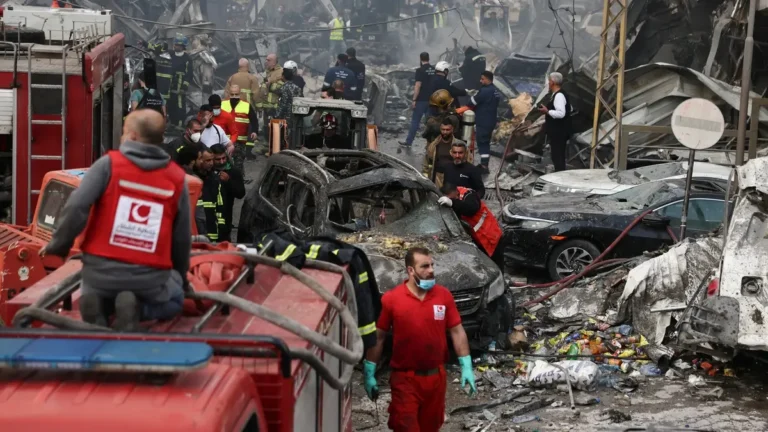
The Lebanese Civil Defense Directorate revealed horrifying figures for the victims of the Israeli airstrikes, dubbed “Operation Eternal Darkness” by the Israeli army.
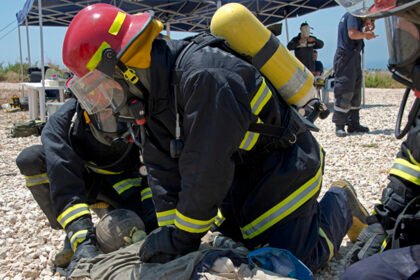
According to the latest data, the death toll has risen to 254. The number of wounded has surpassed 1,100. Beirut bore the brunt of the tragedy, with 91 deaths recorded as a result of residential areas being targeted without warning. Meanwhile, the UN High Commissioner for Human Rights described the events as a “massacre” requiring an immediate international investigation. He also condemned the targeting of civilians in populated areas.
The “two-week agreement” was violated
Politically, these strikes sparked a storm of international controversy, coming just hours after the announcement of a two-week ceasefire agreement between the United States and Iran, brokered by Pakistan.
While Islamabad confirmed that the agreement included the Lebanese front, Tehran considered the Israeli raids a blatant violation of the understandings. Washington, for its part, denied any direct link. Meanwhile, Tel Aviv justified its operations as targeting strategic objectives before any settlement could take effect.
With this bloody escalation, the two-week agreement appears to have been stillborn. Lebanon and the region are thus left with scenarios open to further escalation, awaiting the reactions on the ground in the coming hours.