Washington, United States – The international scene is witnessing a rapid escalation in tensions with Iran, as diplomatic positions intersect with bloody field developments in the region, amid signs of a maritime traffic paralysis threatening global trade in the Strait of Hormuz.
NATO Adopts “Clipping the Nails” Strategy
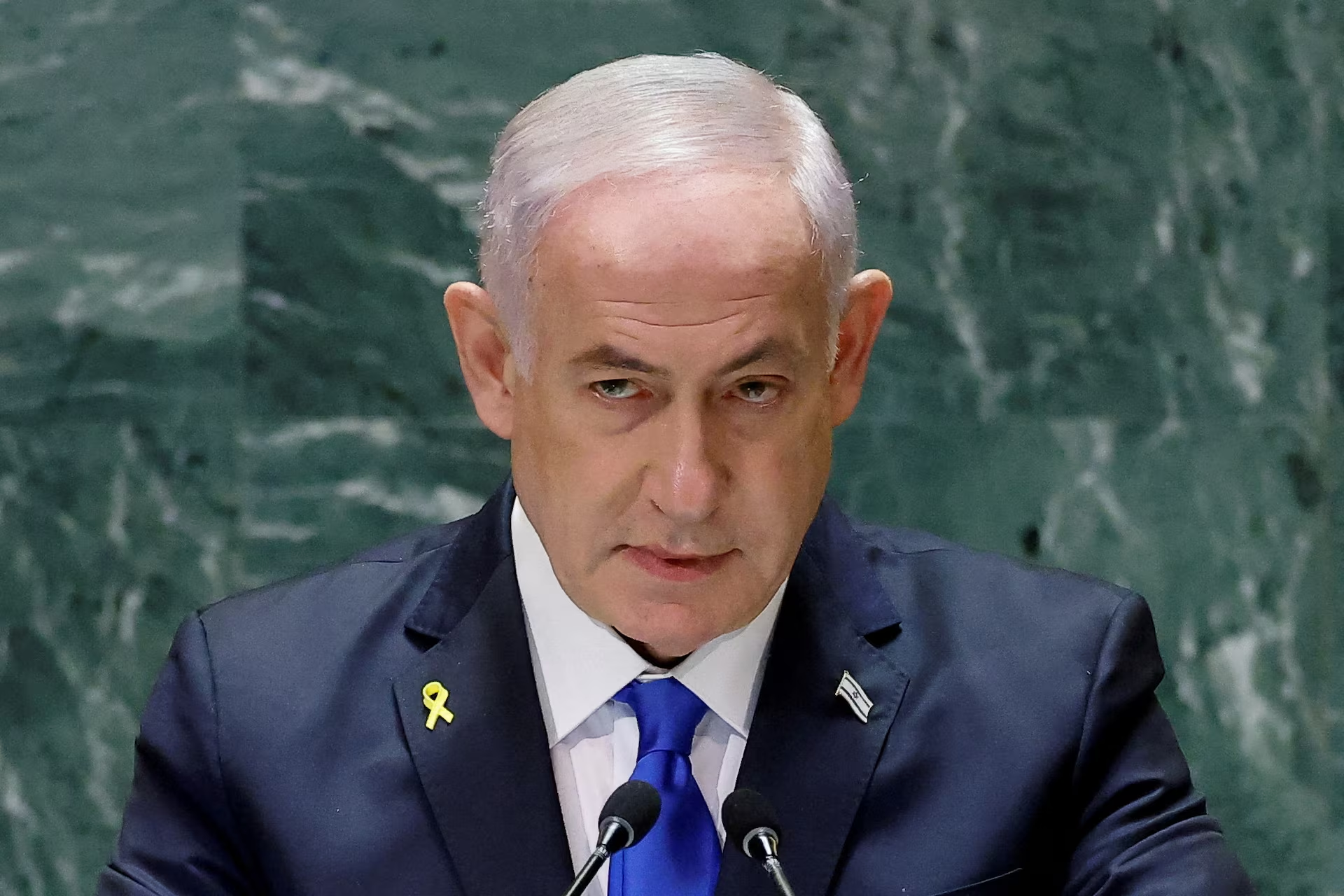
In a notable diplomatic shift, the Secretary-General of NATO, Mark Rutte, announced that the overwhelming majority of European countries explicitly support the efforts led by President Donald Trump’s administration to curb and eliminate Iran’s military and nuclear capabilities.
These statements reinforce a unified Western front against Tehran, granting Washington broader international backing for its upcoming moves.
Heavy Human Cost on the Battlefield
On the ground, U.S. media reports citing sources within the Pentagon revealed the human toll among American forces since the start of recent military operations, including:
- 13 soldiers killed in combat operations.
- around 370 others injured with varying degrees of wounds.
- 12 critical cases receiving intensive medical care.
Mine Warfare and Shipping Paralysis in Hormuz
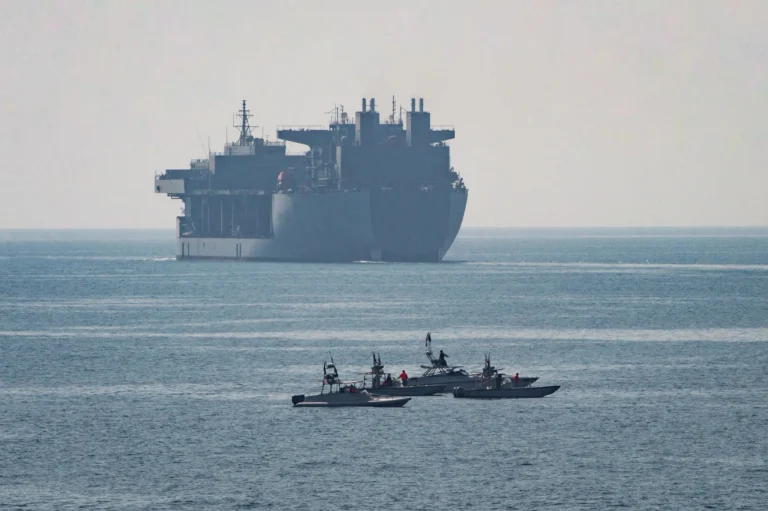
At the heart of the logistical crisis, the Strait of Hormuz is experiencing security and navigational disruption. Iranian media reported that forces from the Islamic Revolutionary Guard Corps have begun searching for “alternative navigation routes” within the strait to avoid widespread naval minefields obstructing vessel movement.
Meanwhile, Iran’s Tasnim News Agency confirmed that the crisis has moved beyond military threats into a commercial disaster, with large numbers of commercial ships and oil tankers still stranded in the Strait of Hormuz, with no near-term prospect for safely resuming operations—putting global energy supplies at risk.