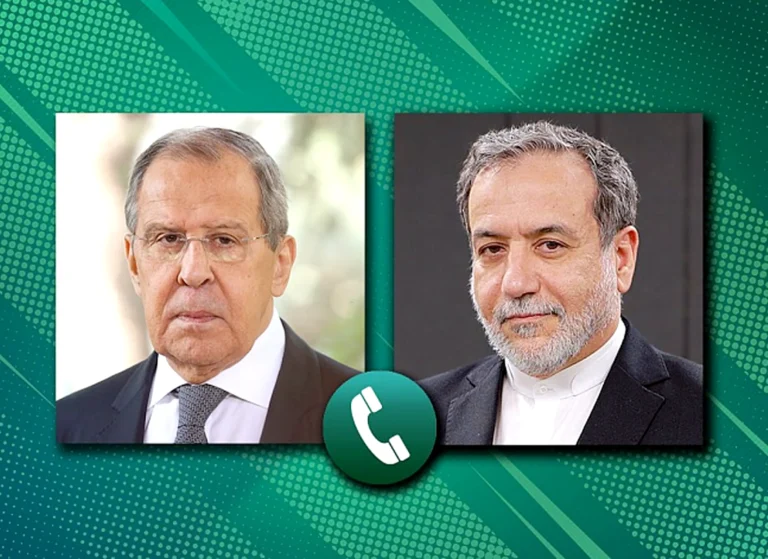
Moscow, Russia – Russian Foreign Minister Sergey Lavrov discussed the situation in the Strait of Hormuz in a telephone call with his Iranian counterpart, Abbas Araqchi.
The conversation focused on the safety of navigation and the repercussions of the military escalation in the region.
The conversation focused on the safety of navigation and the repercussions of the military escalation in the region.
Discussions on maritime security
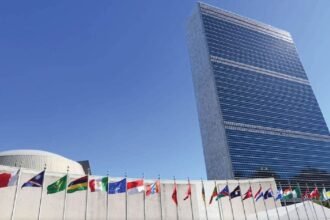
The Russian Foreign Ministry stated that the call was initiated by the Iranian side. During the call, the two ministers exchanged views on the ongoing discussions within the UN Security Council regarding maritime security in the Strait of Hormuz.
It is worth mentioning that Lavrov played a central role in conveying Russia’s stance during these discussions.
Both sides emphasized the importance of maintaining stability in vital maritime routes.
They stressed this point in light of escalating tensions that threaten international trade and global supply chains.
During the call, the two ministers exchanged views on the ongoing discussions
within the UN Security Council regarding maritime security in the Strait of Hormuz.
Both sides emphasized the importance of maintaining stability in vital maritime routes.
They stressed this point in light of escalating tensions that threaten international trade and global supply chains.
Repercussions of military escalation
The call addressed the repercussions of recent military operations. Moscow referred to what it described as the “aggression” launched by the United States and Israel against Iran. As a result, regional tensions have escalated.
The two sides also discussed the implications of these developments for regional security,
particularly given growing concerns about the potential for the conflict to widen and affect strategic waterways.
In these discussions of military escalation, Lavrov’s perspective was highlighted.
Moscow referred to what it described as the “aggression” launched by the United States and Israel against Iran.
As a result, regional tensions have escalated.
The two sides also discussed the implications of these developments for regional security,
particularly given growing concerns about the potential for the conflict to widen and affect strategic waterways.
Efforts to reduce tension
During the call, Lavrov and Araqchi stressed the need to de-escalate tensions and contain the situation.
They called for this to be achieved through diplomatic and political channels.
Both sides emphasized the importance of continued coordination among the relevant parties.
This contributes to calming the situation and ensuring the security of international navigation,
particularly in one of the world’s most vital maritime routes.
Lavrov emphasis on dialogue was notable in these efforts to reduce tension.
They called for this to be achieved through diplomatic and political channels.
Both sides emphasized the importance of continued coordination among the relevant parties.
This contributes to calming the situation and ensuring the security of international navigation,
particularly in one of the world’s most vital maritime routes.