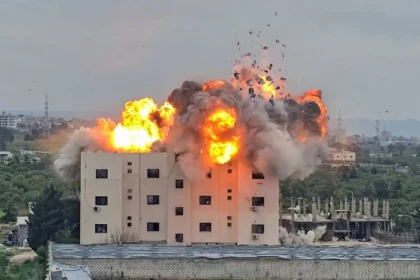
Washington, United States — Recent assessments from multiple US intelligence agencies indicate that Iran is currently unwilling to engage in meaningful negotiations to end the ongoing conflict with the United States and Israel. This comes at a critical moment ahead of an anticipated speech by President Donald Trump.
Trust gap and battlefield escalation
According to US officials familiar with the reports, Tehran believes it remains in a position of “field strength,” allowing it to maneuver and resist diplomatic pressure. Moreover, intelligence findings point to a deep trust deficit, especially following US military strikes ordered by Trump over the past year. This occurs despite parallel diplomatic efforts on the nuclear issue.
These assessments align with Iran’s official stance, which denies progress in any backchannel talks and rejects claims of requesting a ceasefire. In addition, Iran insists it continues what it describes as “deterrent operations.”
Trump’s expectations vs Iran’s stance
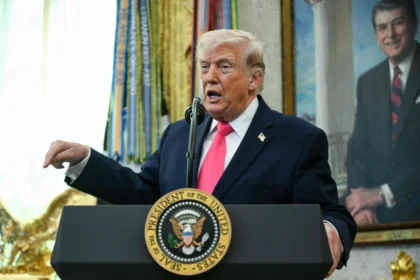
Meanwhile, Donald Trump has expressed optimism, suggesting major military operations could end within two to three weeks. However, intelligence assessments stress that this timeline depends largely on Iran’s decision—whether to continue fighting or shift toward de-escalation.
Iran’s conditions for ending the war
Regional sources suggest Iran may consider diplomatic engagement under high-threshold conditions, including a comprehensive end to the war and binding guarantees from the United States. Iran prefers this approach rather than temporary ceasefire arrangements. Trump’s upcoming speech is expected to play a decisive role in shaping whether escalation continues or diplomatic channels reopen.