Tehran, Iran — The new Hormuz Strait law has triggered global concern after its approval, amid escalating tensions affecting international trade routes.
Details of the Hormuz Strait Law
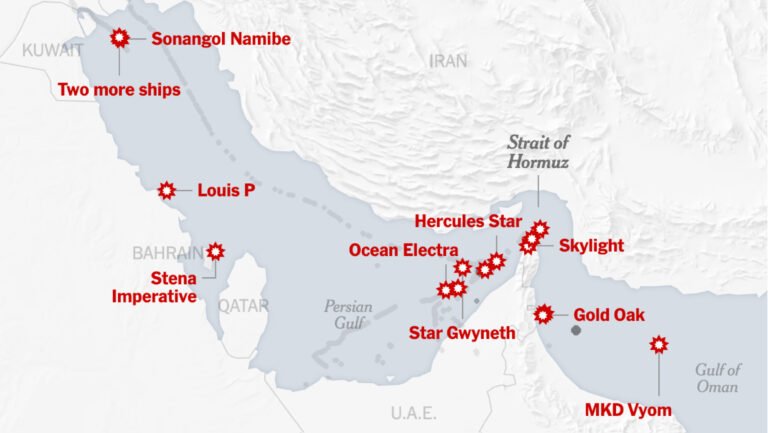
The Hormuz Strait law aims to strengthen control over the Strait of Hormuz, a critical global energy corridor, through new regulatory and security measures.
Shipping Restrictions
The Hormuz Strait law introduces restrictions on vessels linked to the United States and Israel, as well as countries imposing sanctions on Iran.
Economic Impact
The Hormuz Strait law requires transit fees to be paid in Iranian currency, which could complicate global trade and logistics operations.
Regional Cooperation
The Hormuz Strait law also emphasizes cooperation with Oman to regulate maritime activities.
International Reactions
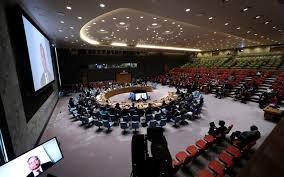
The United States has rejected the Hormuz Strait law, warning against any restrictions on international shipping.
Impact on Energy Markets
Since nearly one-third of global oil passes through the Strait, the Hormuz Strait law could significantly impact global energy prices and supply stability.
Future Scenarios
Experts warn the Hormuz Strait law could lead to:
- Increased military tensions
- Disruptions in shipping routes
- Higher insurance costs
- Economic instability
Rising Regional Tensions
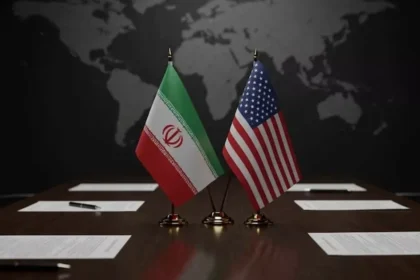
The Hormuz Strait law comes amid ongoing tensions involving Iran, United States, and Israel.
Overall, the Hormuz Strait law may reshape global shipping dynamics and economic stability.