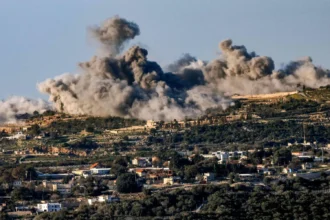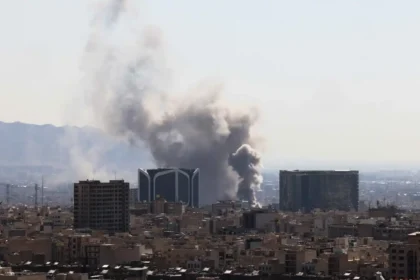
Washington, DC – In a military and political escalation that is reshaping the conflict landscape in the region, The Wall Street Journal revealed that US President Donald Trump is seriously considering sending a massive military reinforcement of 10,000 additional ground troops to the Middle East. This move comes at a sensitive time, as the drums of war beat alongside complex diplomatic efforts.
Strengthening American options
According to sources familiar with the matter who spoke to the newspaper, these potential reinforcements are intended to give Trump “more military options” on the ground. At the same time, they leave the door slightly ajar for possible peace talks with Tehran. These forces are expected to include infantry units and heavy armored vehicles. They will be added to the 5,000 US Marines already deployed to the region to secure strategic locations.
Iranian response: Million-strong mobilization
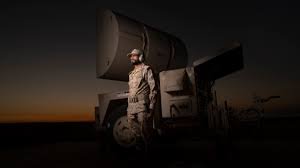
On the other hand, the Iranian response to these reports was swift. The Tasnim International News Agency, affiliated with the Revolutionary Guard, quoted a high-ranking military source confirming that Tehran had completed the organization of more than one million fighters for ground battles.
The source indicated a massive influx of volunteer applications from young Iranians to the Basij militia, the Revolutionary Guard, and the army in recent days. This reflects a desire to be directly involved in the confrontation.
Battle of the Strait of Hormuz
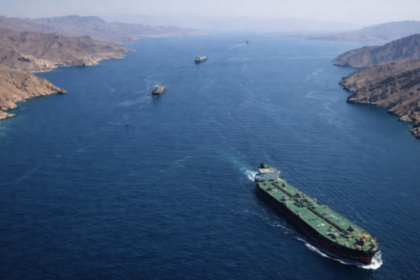
Regarding maritime tensions, the Iranian military source issued a stern warning to Washington, stating that any American attempt to forcibly reopen the Strait of Hormuz would be a “suicidal act.”
The source said, “We are fully prepared to confront Washington’s suicidal strategy, and we will ensure the strait remains closed under any circumstances.” These rapid developments reflect a state of high alert on both sides. While Washington is amassing its ground forces to impose a new “military reality” that serves its negotiating or combat objectives, Tehran is relying on its human resources and defensive strategy in the vital straits.
This mutual escalation places international navigation and regional stability on the brink of disaster, as the coming days await developments that will either lead to a direct confrontation or a de-escalation of tensions.