Tel Aviv, Israel – The Israeli military announced Friday morning that it had completed a massive wave of concentrated airstrikes targeting Iranian military infrastructure in the capital, Tehran, and several other key areas. This military escalation is the most intense since direct confrontations between the two sides began last February.
Disable ballistic missile capabilities
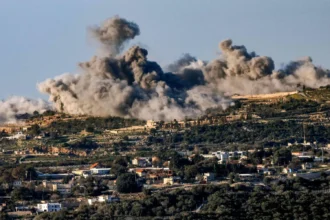
The Israeli military spokesperson confirmed that the Air Force, in coordination with intelligence agencies, carried out a series of precision strikes against ballistic missile production sites and advanced air defense systems deep inside Iran.
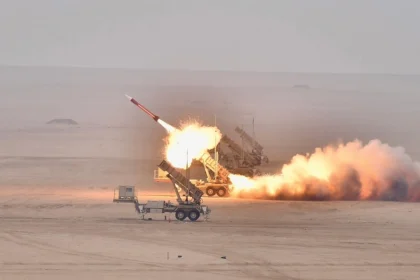
The statement explained that the primary focus of these attacks was on logistical centers and factories used in the development and manufacture of strategic weapons. It also noted that the nighttime operation included the destruction of missile launch systems in western Iran. Storage facilities described as posing an “existential and direct threat to Israeli security” were also targeted.
Unprecedented escalation: 1,000 facilities targeted
In a notable post on the X-Net website, an Israeli military official revealed that Tel Aviv has decided to escalate its operations to target key components of the Iranian military industry. He confirmed that more than 1,000 production facilities belonging to the Revolutionary Guard were targeted. Although the Israeli army announced this morning that the major wave of attacks on Tehran had ended, field indicators and reports from inside Iran suggest that further rounds of operations may be necessary to ensure the complete neutralization of the missile arsenal.
Explosions heard in Tehran
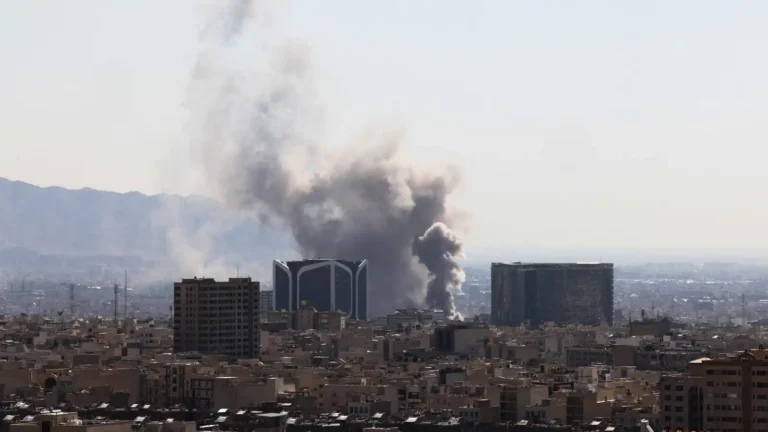
For its part, the semi-official Mehr News Agency confirmed hearing loud explosions that shook the capital, Tehran, in the early hours of the morning.
The agency indicated that Iranian air defense systems were immediately activated and “engaged hostile targets” in the sky. It also reported a state of high alert among security and civilian authorities in all Iranian provinces affected by the attacks. These attacks come at a highly sensitive time, coinciding with reports of diplomatic activity in Pakistan and a US postponement of strikes targeting Iran’s energy infrastructure. This leaves Tehran with two options: either to continue escalating the situation or to engage in urgent negotiations to avert a complete collapse of its military and economic infrastructure.