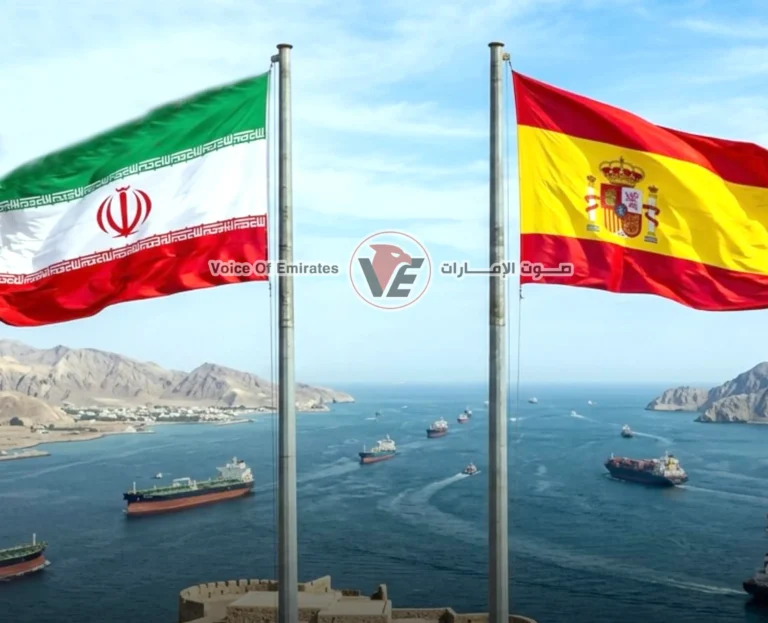
Tehran, Iran – Iran has announced its readiness to respond to any request from Spain regarding the passage of ships through the Strait of Hormuz. This move marks the first sign of flexibility toward a European Union member state since the escalation of military tensions in the region. The Iranian embassy in Madrid confirmed that this stance stems from its view of Spain as a country committed to international law. It also indicated that passage through the strait is open to “non-hostile” vessels. However, vessels must coordinate with Iranian authorities.
The Strait of Hormuz is at the heart of the crisis
This development comes amid ongoing tensions that have directly impacted shipping in the Strait of Hormuz. The strait is one of the world’s most important strategic waterways for oil and gas transport. The conflict has disrupted a significant portion of supplies. As a result, there is widespread turmoil in energy markets and rising concerns about the stability of global supplies.
Limited signs of calming
Tehran explained that allowing some ships to pass through, including tankers from Asian countries, reflects a move toward selectively easing restrictions. This comes as part of an indirect diplomatic effort. US President Donald Trump also referred to the passage of several oil tankers as a “goodwill gesture.” This occurred within the context of de-escalation efforts related to ongoing negotiations.
A cautious Spanish stance
In contrast, the Spanish government reacted cautiously to the Iranian statements, with Foreign Minister José Manuel Álvarez asserting that the Iranian proposal lacked clarity. He also stressed the need for de-escalation and a return to diplomatic solutions. Furthermore, Madrid reiterated its support for imposing sanctions on Iran. This includes designating the Islamic Revolutionary Guard Corps (IRGC) as a terrorist organization.
The reality of the Spanish naval fleet
Data indicates that the Spanish merchant fleet is relatively small, comprising only a few dozen ships, including a handful of oil and gas tankers. None of these vessels are currently in the Gulf region. This reflects the limited direct impact of the crisis on Spain, despite its far-reaching repercussions on the global economy.
Iranian actions in the Strait of Hormuz remain a sensitive indicator of the crisis’s trajectory. This comes amidst a delicate balance between military escalation and attempts to keep diplomatic channels open.