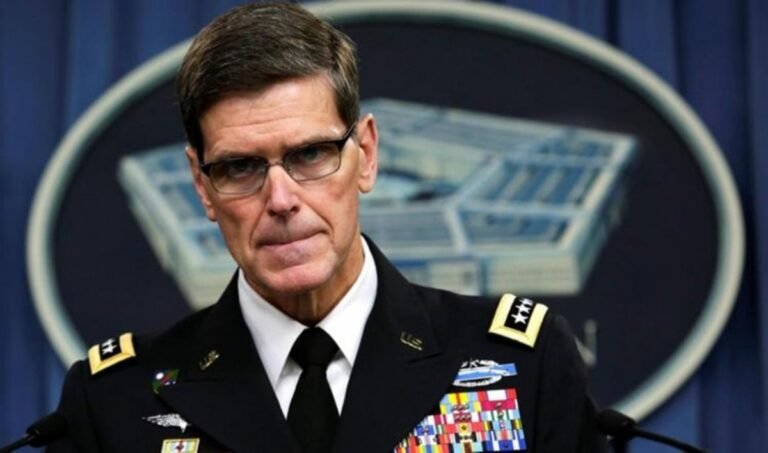
Washington, DC – In a strategic analysis of the volatile military landscape in the Middle East, retired General Joseph Votel, former commander of US Central Command (CENTCOM), asserted that bolstering the Lebanese Armed Forces is the only way for Beirut to regain its sovereignty and eliminate Hezbollah’s influence. He also noted that Iranian threats in the Strait of Hormuz were among the anticipated scenarios.
Empowering the Lebanese state
During a private interview with Hadley Gamble, IMI’s chief international broadcaster, Votel emphasized the need to translate battlefield gains into lasting political and military stability. He also called for providing the necessary support to the Lebanese president and the national army, stating, “We must ensure that the Lebanese army has the resources to eliminate Hezbollah on its own, without the need for direct Israeli intervention.” Votel added that Lebanon has been a long-standing partner of the United States. He also noted that the Lebanese people have suffered enough, making it imperative to support their military institutions in establishing full control over Lebanese territory.
Iranian programmed escalation
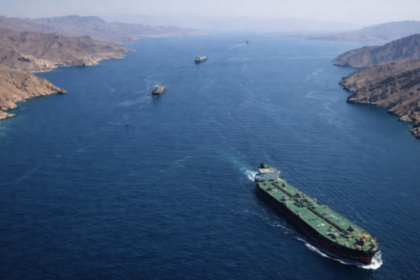
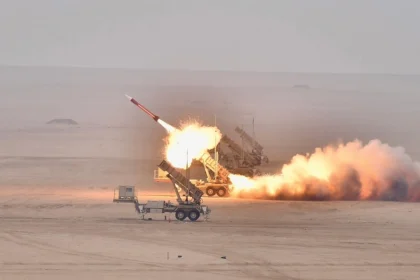
Regarding recent Iranian actions, Votel considered Tehran’s threat to close the Strait of Hormuz a “natural response” from a military standpoint, complementing its missile and drone launches.
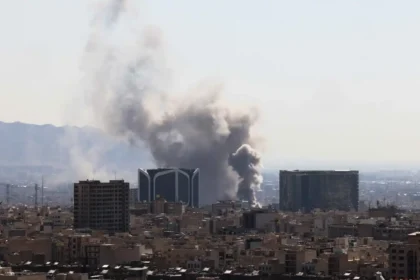
These remarks come in the wake of the extensive military campaign launched by the United States and Israel on February 28. This campaign targeted more than 10,000 military targets, including infrastructure and senior leadership in Iran.
Context of the regional war
It is worth noting that the conflict expanded to include the Lebanese front on March 2, when Hezbollah joined the confrontation in response to the killing of Iranian Supreme Leader Ali Khamenei on the first day of the US-Israeli attack.
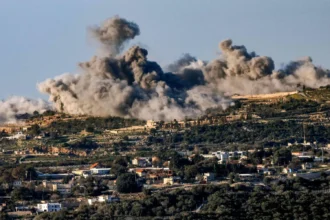
This coincided with Israeli ground incursions into southern Lebanon and intensive airstrikes. This situation presents the Lebanese army with the challenge of proving its ability to lead the next phase with international support, according to the former commander of CENTCOM.