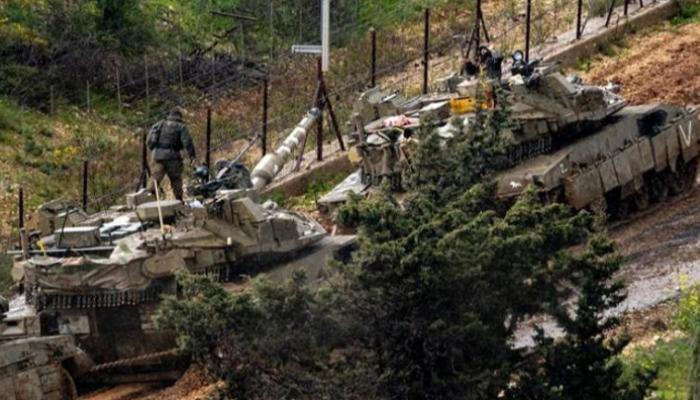
Tel Aviv — Voice of Emirates – The Israeli army officially announced the death of a reserve soldier today. This incident occurred during violent confrontations in the recent hours. Reports confirmed that an Israeli soldier killed in Lebanon due to direct clashes with Hezbollah members. Furthermore, rockets fired from Lebanese territories targeted the cities of Haifa, Krayot, and Nahariya. Local authorities clarified that no civilian casualties have been recorded among Israelis so far. Accordingly, a state of maximum alert prevails in all northern border areas.
Urgent Demands for Additional Military Reinforcements
Military spokesman Avi Defrin confirmed that the northern front requires an immediate deployment of more troops. He pointed out that the Israeli army currently operates on multiple fronts in Gaza and Syria. In addition, this wide field pressure increases the forces’ need for human and military reinforcements. Therefore, the Ministry of Defense is discussing ways to increase the number of reserve soldiers to better secure the borders. This move aims to ensure full control over the forward defensive zone and prevent any infiltration. This is especially important after another Israeli soldier killed in Lebanon recently.
Israeli Opposition Criticizes Government Management of the Conflict
Opposition leader Yair Lapid accused the government of pushing the country toward a real and dangerous “security disaster.” He explained that the shortage of troops threatens Israel’s internal stability and ongoing military operations. On the other hand, Lapid believes that entering a multi-front war requires a clear-cut strategy. However, the current government insists on continuing military operations without changing the plans. Experts confirm that this sharp political division may weaken the morale of the fighters. Moreover, discussions are revolving around the impact of every Israeli soldier killed in Lebanon on public opinion.
The Future of Field Tension on the Lebanese Border
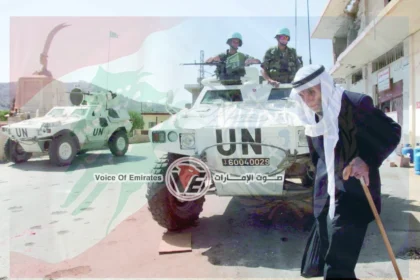
Israel is currently seeking to establish a buffer zone on the Lebanese border to ensure national security. Concerns remain about additional escalation that could affect infrastructure and civilians in both countries. Consequently, the resolution of this conflict remains suspended between the major field escalation and international calls for calm. Finally, everyone awaits the results of the recent diplomatic moves to prevent a slide toward a comprehensive regional explosion. Each Israeli soldier killed in Lebanon serves as an additional reason for the worsening tension.
In conclusion, the case of an Israeli soldier killed in Lebanon remains an indicator of the difficulty of ground confrontations. The international community demands a return to negotiations and the protection of innocent lives on both sides. Thus, the scene in southern Lebanon stays open to all military and political possibilities in the coming days.