Tehran, Washington – A senior Iranian official described the US proposal to end the nearly four-week-long war as “unilateral and unfair.” He emphasized that Tehran is carefully studying the 15 points of the proposal, which was sent via Pakistan. He also stressed that Iran rejects any steps that do not guarantee its national interests. The official affirmed that diplomacy is not over and that the search for solutions remains possible. Furthermore, he emphasized that the current proposal serves only the interests of Washington and Tel Aviv.
President Trump’s position
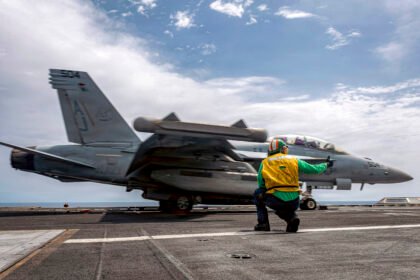
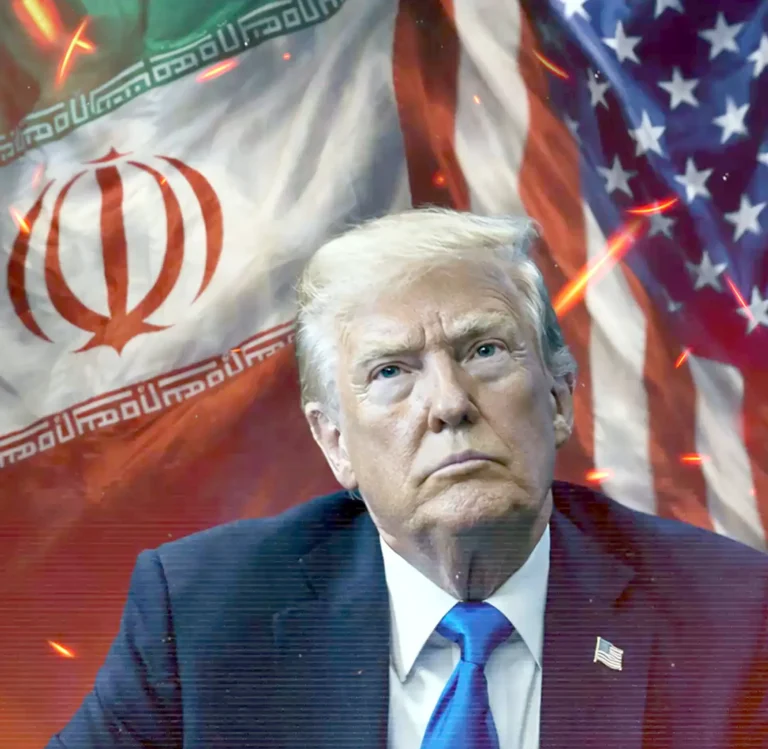
For his part, US President Donald Trump said that Iran has an opportunity to abandon its nuclear ambitions and embark on a new path. However, he warned that failure to comply would make the United States “their worst nightmare.” He also affirmed the continuation of military pressure, with the possibility of increasing the US presence in the region.
Economic and humanitarian repercussions
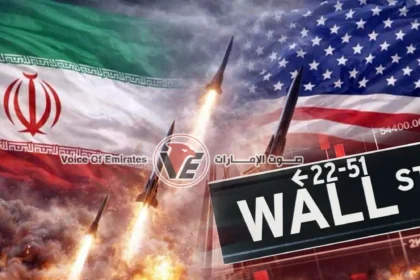
The repercussions of the Iranian war on global markets intensified. Oil prices surged to $105 a barrel. Simultaneously, stock markets declined as optimism about a ceasefire faded. The conflict led to fuel shortages, impacting businesses and countries worldwide. Consequently, the World Bank announced support for countries affected by the crisis through rapid financing mechanisms.
The Strait of Hormuz and the negotiations
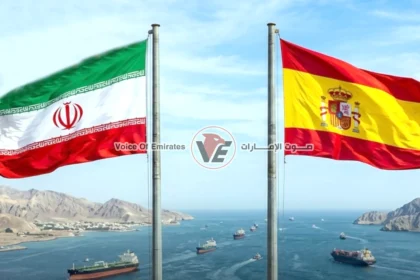
Trump noted that Iran had allowed ten oil tankers to pass through the Strait of Hormuz as a gesture of goodwill. Meanwhile, indirect negotiations continued between the United States and Iran, mediated by Pakistan and supported by other countries including Turkey and Egypt. The US demands included the elimination of its stockpile of highly enriched uranium, a halt to uranium enrichment, and control of the strait. Iran, on the other hand, insisted on guarantees against any future attacks and compensation for losses. It also demanded sovereignty over the Strait of Hormuz and the inclusion of Lebanon in any ceasefire agreement.
Military developments
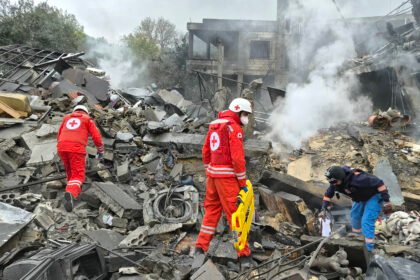
Meanwhile, military attacks continued, with Iran launching several waves of missiles at Israel, causing casualties and material damage. Israel, in turn, announced it had targeted Iranian Revolutionary Guard commanders as part of efforts to weaken Iran’s capabilities in the region.
Tensions in the Middle East persist, and negotiations remain difficult due to the ongoing economic and military pressures exerted by both sides.