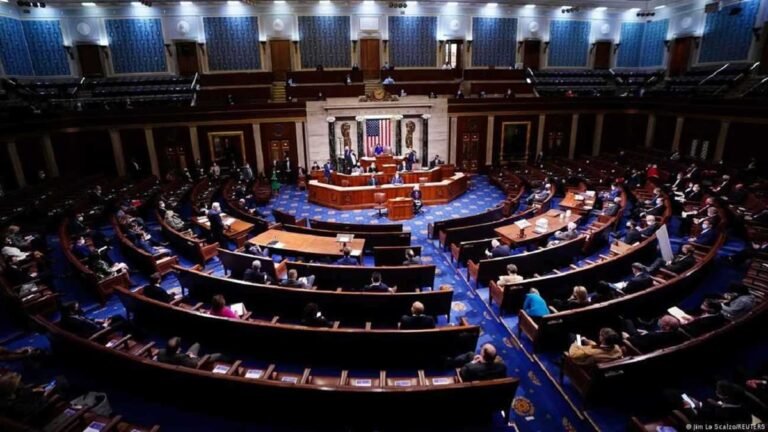
Washington, DC – In a move reflecting the deep political divisions within the United States, the Senate rejected a bill aimed at limiting President Donald Trump’s authority to launch military action against Iran. This rejection grants him greater leeway in one of the most critical issues on the international stage.
The vote followed heated debates among Senate members, with supporters of the bill arguing that restricting the president’s powers was a constitutional necessity to prevent a slide into an uncontrolled war. Opponents, on the other hand, maintained that the current climate demands flexibility in decision-making to address the escalating threats.
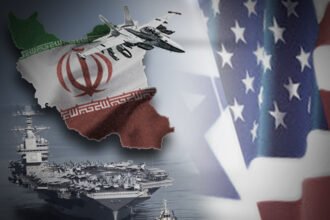
The decision, seen as an “indirect authorization,” opens the door to potential military action without strict congressional oversight. This is particularly significant given the escalating tensions between Washington and Tehran and the exchange of indirect military messages in the region.
Observers believe that the refusal to limit Trump’s powers reflects concerns within the political establishment about weakening the United States’ position at a critical juncture. However, it also raises fears of hasty military decisions that could lead to a wider confrontation.
Voices within Congress warn that the absence of legislative checks could expose the country to an open-ended escalation scenario, especially given the complex regional landscape and the overlapping international interests in the Middle East.
Conversely, supporters of the administration argue that maintaining the president’s powers without restrictions gives Washington the ability to respond swiftly and decisively. It also strengthens deterrence against any potential Iranian actions.
The situation in Washington reflects a difficult balancing act between the necessities of national security and the demands of democratic oversight. Ultimately, however, the outcome suggests that the option of escalation is closer than ever. This means that a decision for war—if it is made—may not, this time, be reached through traditional channels, but rather through a politically charged moment that cannot tolerate hesitation.