Washington, DC – In a significant development in the tense military landscape of the Middle East, the US-based Semaphore platform revealed Washington’s upcoming strategy toward Iran in a report published this morning. The report confirmed that the US administration intends to proceed with its military operations, with one exception: targeting vital energy infrastructure.
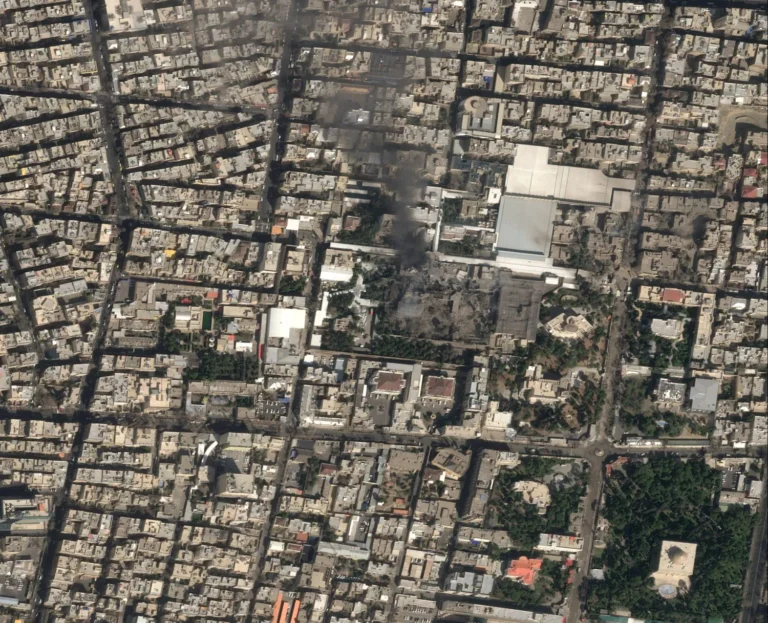
The platform quoted a senior US official as saying that Washington had decided to halt attacks for five days. However, this pause “is limited exclusively to energy sites.” The official stressed that military operations would continue at an intensive pace against other targets. He clarified that the exception did not extend to strategic military sites, naval bases, or ballistic missile launch sites. Nor did it include Iran’s defense industrial base. He affirmed that the initial phases of Operation “Epic of Wrath” would continue according to plan.
This announcement comes at a time of heightened anticipation in the region. Meanwhile, international news agencies, including Reuters, have been unable to independently verify these reports. Silence continues to prevail at the White House, the State Department, and the Pentagon, with relevant authorities not responding to requests for comment. This is attributed to the fact that the developments occurred outside of official working hours.
On the parallel diplomatic front, the Semaphore report highlighted a significant gap in the landscape, asserting that Israel was not a party to any of Washington’s talks with Tehran. This statement underscores the divergence in regional agendas, particularly after US President Donald Trump hinted, in previous statements, at “constructive” talks with unidentified Iranian officials, which led to his decision to postpone the planned bombing of Iran’s power grid for five days.
In contrast, the Iranian response was swift and contradicted the American narrative. Tehran quickly denied entering into any negotiations with the United States, dismissing the claims made by American media as “psychological warfare.” These developments come amidst escalating military tensions that have brought the region to the brink of open conflict. Regional and international capitals are closely watching the outcome of Operation “Epic of Rage,” and are questioning the ability of limited diplomacy to prevent the region from sliding into a full-blown war, especially given the conflicting statements regarding the nature of the secret communication channels.