Washington, DC – Media reports indicate that the prevailing sentiment within Washington’s decision-making circles is to limit any potential attacks against Iran to energy facilities only. This is an attempt to exert strong pressure without escalating into a full-blown confrontation.
According to informed sources, this approach aims to diminish Iran’s economic capabilities and impact its oil revenues, a key source of funding for its regional activities. Simultaneously, this approach seeks to avoid targeting sovereign facilities or sites that could trigger a large-scale military response.
This shift comes amidst escalating tensions between the two sides, following a series of tit-for-tat strikes and heightened threats. This has prompted the US administration to explore options that are “limited in impact” but strategically significant.
Conversely, international actors have warned that targeting Iran’s energy sector could have serious repercussions for global oil markets. It could also push Tehran to take escalatory steps, potentially including expanding the scope of the confrontation in the region.
Analysts believe this strategy reflects a US attempt to strike a delicate balance between deterrence and avoiding war. However, it remains fraught with risks, given the volatile nature of the conflict and its rapid transformation from containment to open explosion.
Calculated strikes: Washington limits its targeting of Iran to energy facilities
America and the challenges of targeting the Iranian energy sector

Medhat Elsheikh
Medhat El-Sheikh, editor-in-chief of the Voice of Emirates News Agency office in Cairo, is a seasoned Egyptian journalist with extensive experience both within Egypt and abroad....

Washington continues to threaten “Operation Wrath”: selective military strikes that exclude Iran’s energy sector
America has documented its plan for upcoming military operations.
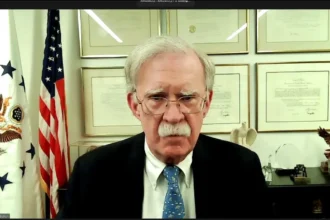
Bolton criticizes Trump’s military strategy toward Iran: “Sporadic” strikes lacking planning
America and the importance of strategic planning in escalation
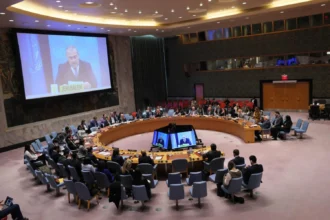
The UN Security Council is meeting today to discuss the Palestinian issue and escalating tensions in the Middle East
Security Council: Assessing the security situation in the Palestinian territories
Saudi Arabia discusses recent regional developments with Belgium and Greece
Saudi Arabia showcases its efforts to maintain security in the…