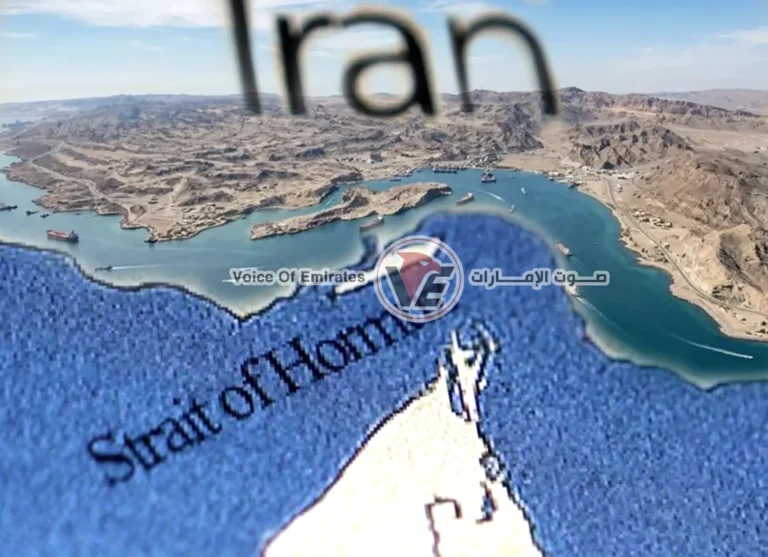
New York, USA – In a move reflecting growing international concern over the security of vital waterways, Bahrain and France submitted separate draft resolutions to the UN Security Council on Tuesday aimed at addressing the escalating crisis in the Strait of Hormuz.
Both resolutions seek to ensure the continued flow of global commercial shipping.
The “force” option in the Bahrain draft
The Kingdom of Bahrain submitted a draft resolution with a firm tone,
granting states-either individually or through multinational and voluntary maritime coalitions-
the authority to take “all necessary measures” to protect commercial vessels
in the Strait of Hormuz and surrounding areas.
According to diplomatic reports cited by Reuters, this wording in international language clearly implies
the possibility of resorting to the “use of force” to ensure the security of navigation.
Consequently, the draft resolution positions the international community as a direct response to any threats to waterways.
The French draft: A call for “quiet diplomacy”
On the other hand, France submitted a draft resolution described as “more moderate” than its Bahraini counterpart.
The French draft avoids explicitly mentioning Iran. It also does not fall under Chapter VII of the UN Charter,
which authorizes sanctions or military intervention.
Instead, the draft focuses on calling on all parties involved to “refrain from further escalation”
and to immediately cease hostilities in the Arabian Gulf.
Furthermore, the draft emphasizes the urgent need to return to diplomacy as the only viable option for resolving the disputes.
Divergent international approaches
The two draft resolutions reflect a clear divergence in international approaches to dealing with the Strait of Hormuz crisis.
While Bahrain leans towards a “strong deterrent” approach and active protection of commercial interests to ensure uninterrupted energy supplies,
French diplomacy is banking on avoiding a full-scale military confrontation through political pressure aimed at de-escalating tensions.
Observers are waiting to see how the Security Council members will respond to these two drafts.
They are also watching to see if a compromise formula will be reached
that balances the need to protect international navigation with maintaining regional stability.
Everyone is hoping for a resolution that avoids a slide into larger armed conflicts,
especially given the complex military situation currently prevailing in the region.