Tehran, Iran – Unprecedented security escalation in Tehran: Senior Revolutionary Guard and Basij commanders killed in Israeli airstrikes
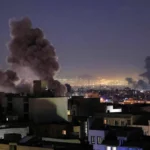
In a night of intense military escalation that rocked the Iranian capital, Tehran, multiple field reports confirmed the deaths of several high-ranking security and military commanders in precise Israeli airstrikes. These strikes targeted strategic headquarters belonging to the Revolutionary Guard and the Basij militia.
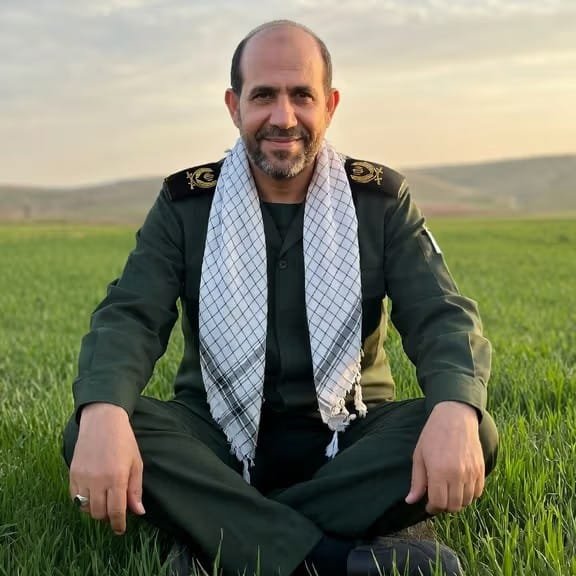
Official sources confirmed the death of Azim Esmaili Khosrowabadi, deputy commander of the Basij militia, in an airstrike that targeted a command center of the organization in Tehran on March 16. Esmaili was killed in the same strike that killed Gholamreza Soleimani, the head of the Basij. The attack was described as a “significant security breach” within the Iranian leadership structure. Esmaili had extensive security experience, having previously served as deputy head of the Human Resources and Inspection Department of the Islamic Revolutionary Guard Corps (IRGC) in Khuzestan province before rising through the ranks to senior leadership positions.
In a related development, the scope of Israeli targeting has expanded to include other high-ranking security officials. Reports from Israeli sources indicate that the Iranian police chief, Ahmad Reza Radan, was killed in intensive Israeli airstrikes on targets in Tehran on Friday night. Despite official Iranian silence regarding Radan’s fate, these reports have caused confusion within security circles, especially given Radan’s status as a key figure in the country’s security apparatus.
These airstrikes are part of a broad and ongoing military campaign launched on February 28 by Israel and the United States against strategic Iranian targets. These operations have significantly depleted Iran’s security leadership. The list of those killed since the escalation began includes dozens of officials, most notably Supreme Leader Ali Khamenei and other prominent security and military figures. As a result, the Iranian authorities are facing serious existential challenges.
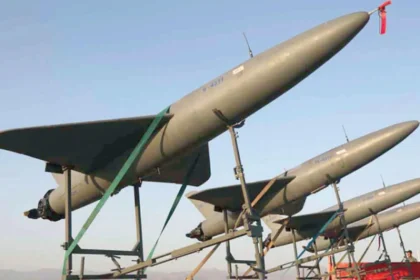
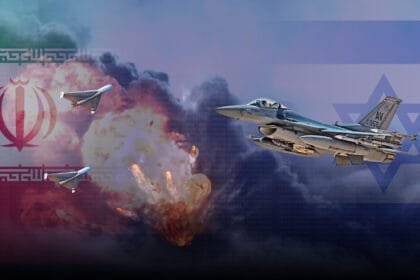
These strikes coincide with a state of heightened anticipation in the region, amid warnings of a potential escalation of the conflict. While Tehran responds with missile and drone strikes, military operations continue to target its command and control infrastructure. The ongoing strikes reflect a fundamental shift in the nature of the conflict, one that transcends traditional confrontation boundaries. This shift threatens to upend the balance of power in the Middle East as this violent conflict persists.