Beirut, Lebanon – Lebanon is witnessing an unprecedented and bloody escalation of violence today, with the death toll exceeding 1,000 and thousands wounded, as a result of a wave of attacks exchanged between Israeli forces and the Lebanese Hezbollah militia. The clashes have included widespread aerial and artillery bombardments and ground attacks. This has placed the country on the brink of a massive humanitarian catastrophe.
Lebanese officials said the clashes have caused widespread destruction of vital infrastructure. They have also displaced tens of thousands of families both within the country and abroad. Hospitals are under immense pressure and suffering from a severe shortage of medical equipment and medicine, making it difficult to provide medical services to the wounded.
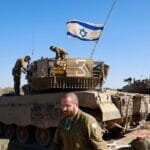
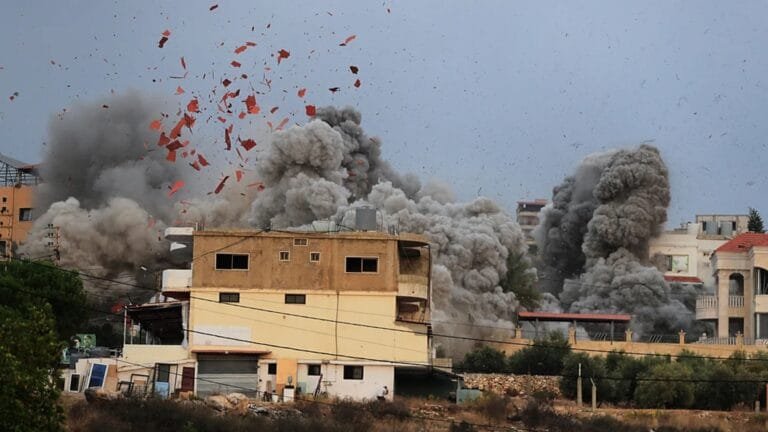
In southern Lebanon, Israeli forces have intensified their airstrikes and artillery shelling of Hezbollah positions. They have also doubled their military presence on the border and conducted extensive sweeps of border areas, in a move Tel Aviv described as aimed at dismantling the group’s military infrastructure and cutting off its supply lines.
Hezbollah responded by launching short- and medium-range missiles at Israeli positions within the Green Line. This led to an escalation of clashes and increased risks to civilians on both sides. There is a persistent threat of further regional escalation and a wider conflict.
Recent developments have shown that the fighting is no longer confined to southern Lebanon. It has spread to the outskirts of Beirut and surrounding villages, forcing many residents to flee their homes for fear of airstrikes. Others face a near-total blockade, cutting off access routes and transportation.
Experts warn that the continuation of these clashes could lead to an unprecedented humanitarian crisis in Lebanon. There will be profound repercussions for regional stability, and tensions could spill over into neighboring countries. This makes Lebanon the epicenter of an open conflict and a highly dangerous regional flashpoint.
As the violence intensifies, international calls are growing for the establishment of safe humanitarian corridors and for preventing a complete collapse of the country’s social and economic infrastructure. At this point, Lebanon appears to have entered a new chapter of bloody conflict that could last for days and weeks to come. The consequences for civilians and national institutions will be devastating. If you like, I can create a stronger, more compelling headline for you that will attract readers and grab their attention immediately. Would you like me to do that?