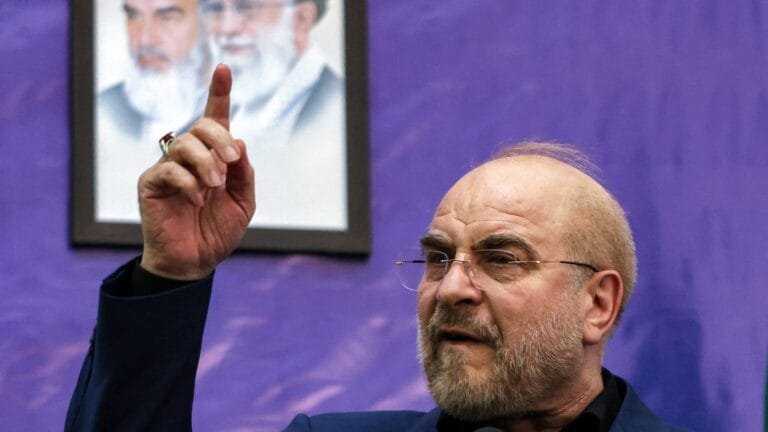
Tehran, Iran – The speaker of the Iranian parliament said on Tuesday that the Strait of Hormuz “will not return to what it was before the war,” hinting at the possibility of fundamental changes to the rules of navigation in the vital waterway through which a large part of the world’s energy supply passes.
Iranian intentions to redraw the rules of navigation
The Speaker of Parliament asserted that recent military developments have imposed a new reality in the region, emphasizing that his country will deal with the Strait of Hormuz according to “different parameters” than those prevailing before the outbreak of war. He did not provide specific details regarding the nature of these changes, but his statements reflect a more hardline Iranian stance on managing this strategic waterway. These remarks suggest that Tehran may seek to impose new restrictions or arrangements on shipping traffic, particularly given the ongoing tensions with the United States and its allies, which could alter the nature of international use of the strait.
Strategic importance and broad economic impacts
The Strait of Hormuz is one of the world’s most important maritime chokepoints, with approximately 20 percent of the world’s oil and liquefied natural gas supplies passing through it. Any change to its status or to freedom of navigation through it could lead to significant disruptions in global markets. Recent tensions have already caused a sharp rise in oil prices, amid fears of supply shortages or disruptions to supply chains, further straining the global economy and fueling inflation.
International concern and calls for diplomatic solutions
The Iranian parliament speaker’s remarks have elicited cautious reactions internationally, with many countries fearing the repercussions of continued escalation on global energy security. International actors are calling for the preservation of freedom of navigation in the Strait of Hormuz, a vital international waterway. Meanwhile, calls are growing for a diplomatic approach to contain the crisis, with emphasis placed on the fact that any further escalation could exacerbate the economic and humanitarian situation, not only in the region but globally.