Tel Aviv, Israel – In new details revealing the extent of the intelligence penetration of the Iranian regime, the Israeli military announced on Sunday that the large-scale airstrike it launched on Saturday in cooperation with the United States killed 40 senior Iranian leaders, including Supreme Leader Ali Khamenei.
A swift strike in broad daylight
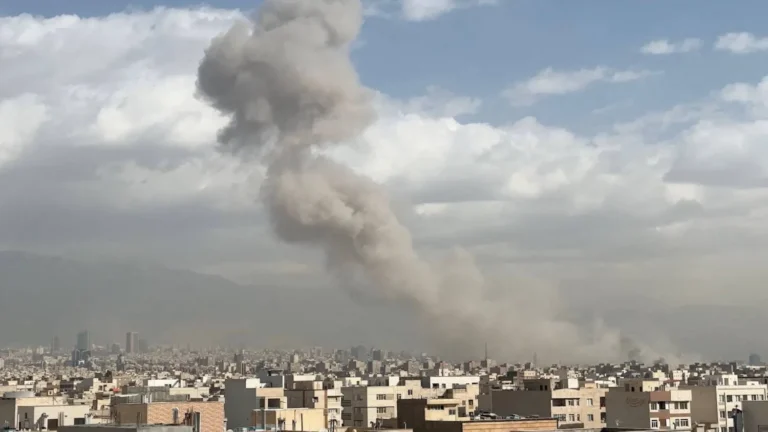
Israeli military spokesman Lieutenant Colonel Nadav Shoshani told reporters that the first phase of the operation was a devastating “opening strike.” Shoshani explained that the attack was carried out in broad daylight and targeted two vital sites located more than 1,600 kilometers from Israel. He also confirmed that the elimination of the 40 leaders, including Khamenei, was accomplished within just one minute of the actual commencement of the bombing.
Behind the scenes at the New York Times: The CIA identified the target
For its part, The New York Times published a detailed report revealing the role of the US Central Intelligence Agency (CIA) in determining the “zero hour.” The newspaper reported that the agency had been tracking the movements, residences, and habits of the Iranian Supreme Leader for several months. This allowed them to develop a comprehensive intelligence picture that enabled them to monitor a high-level meeting on Saturday morning at a fortified residential compound in the heart of Tehran. According to the newspaper’s sources, confirmed information about Khamenei’s personal attendance at the meeting prompted Washington and Tel Aviv to make a sudden decision to alter the operational timeline. While the initial plan called for a nighttime attack under cover of darkness, the joint military command decided to seize the “opportune moment.” The attack was launched at 9:40 AM local time (6:10 AM GMT).
The weapon of the operation: long-range missiles
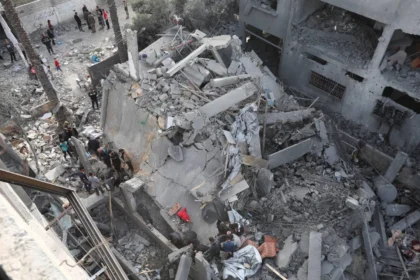
Reports indicate that the operation was carried out using highly advanced, long-range surface-to-air missiles, which precisely targeted the meeting rooms. This resulted in the complete collapse of the residential complex and the deaths of all those inside, including top-tier leaders. Observers describe this attack as the most violent and impactful on the structure of the Iranian state in decades, as it not only destroyed military installations but also targeted the “brain of the regime” and its primary symbol, opening the door to uncertain scenarios for the future of power in Tehran in light of this sudden leadership vacuum.