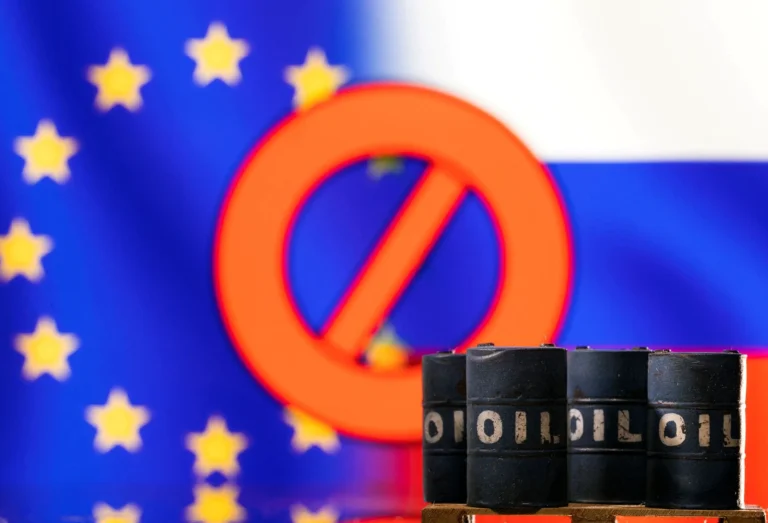
Moscow, Russia – A member of the Russian State Duma sharply criticized the European Union’s 20th round of sanctions. He described them as a blatant declaration of what he called a “tanker war” against Russian interests.
The Russian parliamentarian said the new restrictions target the energy sector and maritime transport chains. They also affect shipping and insurance companies involved in Russian oil exports. Moreover, these measures go beyond traditional sanctions and amount to an attempt to strangle maritime supplies. He added they pursue vessels linked to Moscow in international ports.
Targeting Russian oil tankers
The new European package is part of a series of escalating measures imposed by the European Union since the outbreak of the war in Ukraine. These measures are aimed at reducing Russian revenues from energy exports and exerting economic pressure on the Kremlin.
The Russian side considered the targeting of oil tankers and logistics vessels a dangerous escalation that could affect the stability of global energy markets. In addition, they warned that any disruption to maritime shipping would lead to higher transportation costs and oil prices. The burden of these costs would fall most heavily on European consumers.
Open battle at sea
In contrast, European officials assert that the sanctions aim to close the loopholes that allowed the continued flow of Russian oil through what is known as the “shadow fleet.” Officials emphasize that the measures are based on legal principles and intended to enhance the effectiveness of previous sanctions.
Analysts believe that this escalating tension reflects a more complex phase in the economic confrontation between Moscow and Brussels. The battle is no longer limited to prices and export quotas. Instead, it has extended to maritime shipping routes and insurance and reinsurance companies.
As the tug-of-war continues, the most crucial question remains: Will this “sanctions war” escalate into open conflict at sea? Or will diplomacy succeed in containing its repercussions before global markets pay a further price?