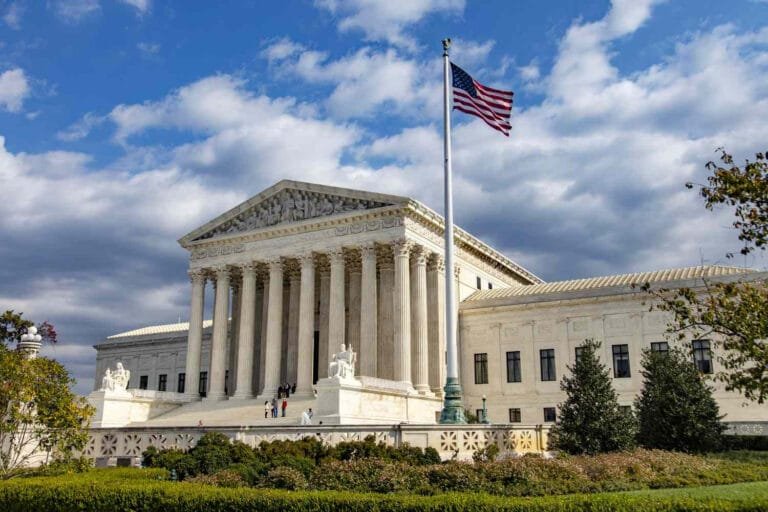
Washington, DC – The US Supreme Court on Friday rejected President Donald Trump’s sweeping tariffs on imports imposed under the International Emergency Economic Powers Act. This decision represents a legal blow to one of Trump’s key economic and foreign policy tools, according to Reuters.
Restrictions on the use of “national emergency”
Trump used the International Emergency Economic Powers Act to impose tariffs on most of the United States’ trading partners without congressional approval, citing a national emergency declaration. However, the court ruled that imposing the tariffs did not fall within the powers granted to the president under the law, according to Reuters.
The U.S. Constitution grants Congress the power to impose taxes and duties. The Trump administration argued that the phrase “regulating” imports in the law authorized the president to impose tariffs. The court rejected this argument in its ruling.
Widespread economic repercussions
Tariffs were a cornerstone of the trade war launched by Trump at the start of his second term. They impacted financial markets and strained relations with US allies and trading partners.
According to estimates by experts at the Penn-Wharton Budget Model Initiative, the tariffs imposed under this law have generated over $175 billion. These amounts will likely have to be reimbursed following the ruling. The Congressional Budget Office also estimated that the current tariffs could have generated approximately $300 billion annually over the next decade if they had remained in place.
Legal alternatives under consideration
Following the hearings last November, Trump indicated that he would consider alternatives if the ruling went against him, saying that a “Plan B” would have to be put in place.
For their part, Treasury Secretary Scott Bisent and other officials confirmed that the administration might resort to other legal justifications to maintain some of the tariffs. These justifications include provisions related to protecting national security or countering unfair trade practices.
The ruling is expected to have significant repercussions for US trade policy. Moreover, it will affect the course of international economic relations in the coming period.