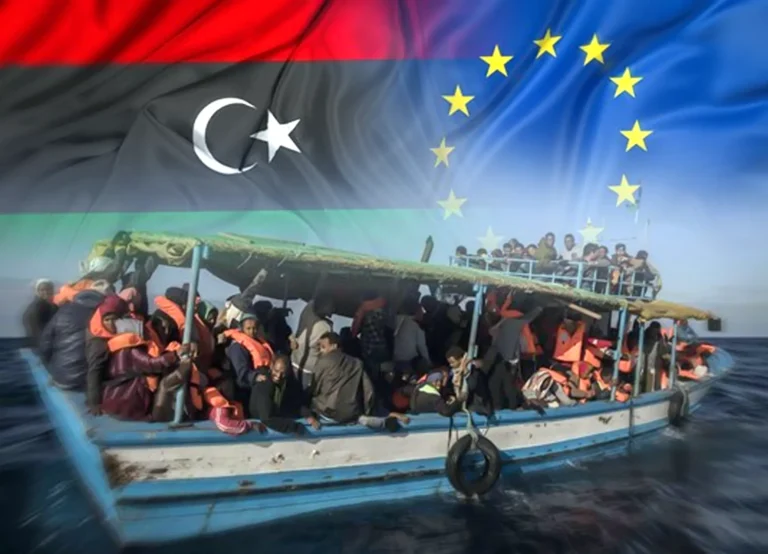
Tripoli, Libya – The United Nations has warned that migrants and refugees in Libya are facing alarming levels of violence and systematic abuse.
It stressed that the humanitarian situation in detention centers and transit areas remains deeply concerning,
with ongoing practices including torture, exploitation, and arbitrary detention.
Human smuggling and trafficking networks
A recent UN report revealed that many migrants face serious human rights violations,
including physical assault, ill-treatment, forced labor, and extortion.
They also endure harsh living conditions in detention centers, where detainees suffer from a lack of medical care, food, and clean water.
The report indicated that human smuggling and trafficking networks exploit the security vacuum in Libya,
leaving migrants vulnerable to abuse both during their journeys and upon arrival.
The report further noted that some of these violations are systematic and organized,
necessitating urgent international action to protect the most vulnerable.
Libya: Safe and legal routes
The United Nations stressed the need to strengthen legal accountability and prosecute those responsible for violations. It also emphasized the necessity of improving detention conditions and ensuring respect for international human rights standards. The UN called on Libyan authorities and international partners to work together to find sustainable solutions to the migration crisis.
The international organization further emphasized the importance of providing safe
and legal pathways for migration and offering humanitarian support to migrants and refugees.
It warned that the continuation of the current situation could exacerbate the humanitarian crisis and increase the risks
for thousands of people attempting to cross the Mediterranean in search of a better life.
This warning comes at a time of growing international concern about the situation of migrants in North Africa. It also comes amidst repeated calls for reforming migration management systems and addressing the root causes of the crisis through development and political and economic stability in countries of origin and transit.