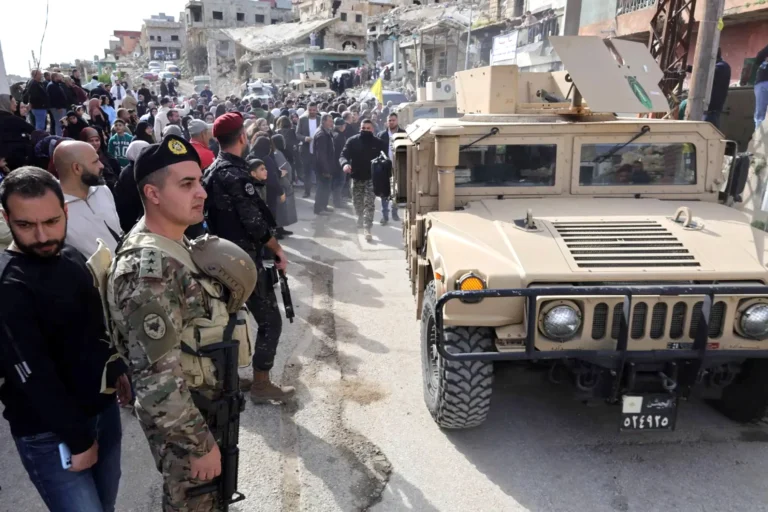
Beirut, Lebanon – The Lebanese Army Commander presented to the Cabinet a plan for implementing the second phase of the state’s monopoly on weapons in the area north of the Litani River. The plan aims to strengthen state authority in the targeted areas and ensure security control. This follows the partial success of the first phase, which included some villages and towns south of the Litani River.
Implementation mechanisms
The plan includes specific mechanisms for surrendering unlicensed weapons, with precise implementation timelines and guarantees for the protection of civilians. It also emphasizes coordination between the military and security forces to prevent any potential clashes during the inventory process. Furthermore, the plan utilizes specialized teams to meticulously monitor the execution of each step.
Focus on areas not previously covered
The army commander explained that the second phase will focus on villages and towns north of the Litani River, where unlicensed weapons are more prevalent. The operation aims to control the proliferation of unlicensed arms. Furthermore, it seeks to extend state authority throughout Lebanon. By doing so, it contributes to a reduction in violence and tensions arising from armed conflicts.
Government support and civil cooperation
Official sources within the Cabinet confirmed their full support for the army’s plan, emphasizing the need for all parties to abide by the law and cooperate with the armed forces. The sources also indicated that the success of the second phase depends on citizens’ adherence to the procedures and the peaceful surrender of illegal weapons. This, they asserted, will ensure a smooth and safe operation.
broad security context
This step comes as part of the Lebanese government’s ongoing efforts to control the proliferation of weapons and secure the northern regions. It comes at a time when Lebanon is facing multiple political and security challenges that could threaten national stability. The plan reflects the state’s desire to restore its full authority and ensure the rule of law applies to everyone. It also supports efforts to strengthen security and stability in the country.