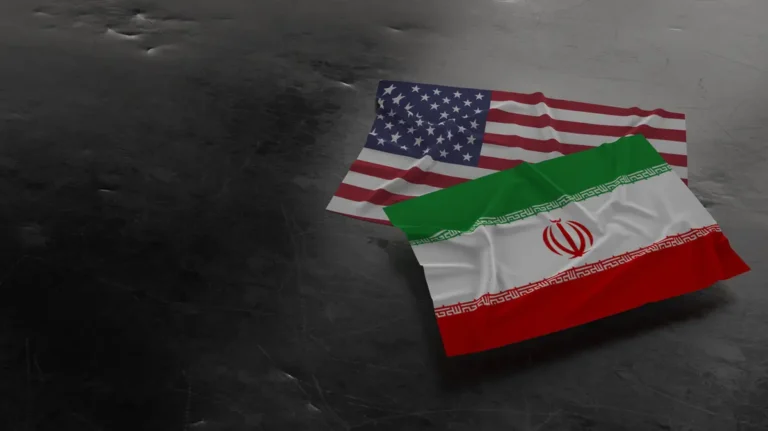
Geneva, Switzerland – The second round of direct talks between the United States and Iran concluded in Geneva, Switzerland. This round was hosted and sponsored by the Sultanate of Oman, amidst tight secrecy surrounding the final results. Furthermore, conflicting statements were issued by leaders of both countries.
Behind the scenes of the negotiations: Familiar faces and a technical agenda
The negotiations were attended at a high level by both sides, with the Iranian delegation led by Foreign Minister Abbas Araqchi. The American side was represented by envoys Steve Wittkopf and Jared Kushner.
According to the Iranian Foreign Ministry spokesperson, the talks were characterized by “seriousness and focus.” They addressed sensitive issues including the details of lifting economic sanctions on Tehran and the technical aspects of the Iranian nuclear program.
Sideline meetings were also held with Omani Foreign Minister Badr al-Busaidi. The participants also met with IAEA Director General Rafael Grossi.
Trump: Negotiations are “very important”
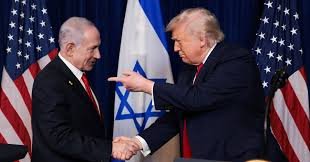
For his part, US President Donald Trump lent political weight to this round of talks. He indirectly confirmed his participation and described the discussions as “very important,” indicating Washington’s desire to reach new understandings that would end the political deadlock.
Khamenei: The nuclear program is a “red line”
In contrast to Washington’s cautious optimism, Tehran’s stance was firm. Supreme Leader Ali Khamenei criticized attempts to predetermine the outcome of the negotiations, describing them as “wrong and foolish.”
Khamenei emphasized Iran’s unwavering position in this round, stating:
“If the goal of the talks is to dismantle the nuclear program, then such an issue is fundamentally non-negotiable.”
Mystery surrounds the results
Despite the conclusion of the sessions, no official report has yet been issued revealing the outcome of this second round. This leaves the door open to speculation about the extent to which Omani mediation can bridge the gap between Washington’s conditions and Tehran’s red lines.