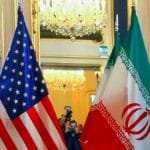
Tehran, Iran – Iran has announced its readiness to discuss making substantial concessions on its nuclear program, in a move aimed at breaking the diplomatic deadlock and reaching a new agreement with world powers. It has also made the lifting of sanctions a prerequisite for any future understanding.
Iranian messages from Tehran to Washington
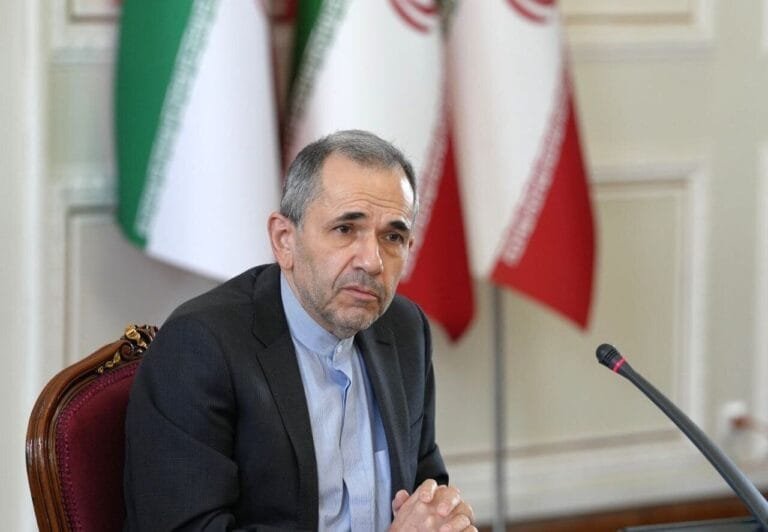
In an interview with the BBC, Iranian Deputy Foreign Minister Majid Takht-Ravanchi affirmed his country’s commitment to the negotiating process, stating, “The ball is now in the United States’ court to demonstrate its genuine desire to reach an agreement.” Ravanchi added that if the other side demonstrates the same seriousness, the path to a deal will be clear.
Key points of the Iranian offer and negotiating position
Ravanchi noted that Tehran had offered to reduce its uranium enrichment level (currently at 60%) as a goodwill gesture. The Iranian official left the door slightly ajar regarding the possibility of transferring the country’s stockpile of highly enriched uranium (estimated at 400 kg), stating that discussing this was “premature.” Ravanchi emphasized that a “zero enrichment” policy was unacceptable and a violation of Iran’s rights. He also reiterated Tehran’s firm rejection of including its ballistic missile program in the nuclear negotiations.
A crucial round in Geneva
Following indirect talks hosted by Oman in early February, Rawangi revealed that a second round of negotiations is expected in Geneva next Tuesday. While describing the first round as “somewhat positive,” he cautioned against excessive optimism before seeing tangible results.
US escalation and regional pressures
These diplomatic moves come amid a tense atmosphere. Foreign Minister Marco Rubio believes President Donald Trump prefers an agreement but considers it “extremely difficult.” Trump, for his part, is threatening military action should diplomacy fail. Moscow has expressed its willingness to repeat the 2015 scenario and accept Iran’s excess uranium. Meanwhile, regional efforts, led by Omani Foreign Minister Badr al-Busaidi, continue to bridge the gaps and prevent a further escalation of the situation.
Warning of an “existential threat”
Ravanchi concluded his remarks cautiously, emphasizing that any new war would be “shocking to everyone.” He also stressed that Iran would respond forcefully if it felt any “existential threat.”