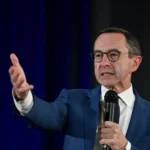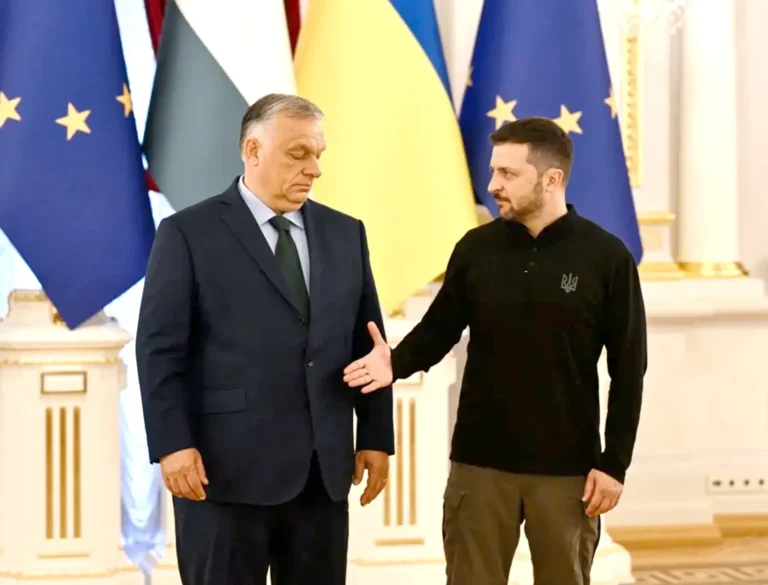
Brussels, Belgium – Hungarian Prime Minister Viktor Orbán, a vocal critic of European support for Ukraine, called on the European Union to cease providing financial aid to Kyiv
and instead redirect those resources to support the economies of its member states. His remarks came during the summit of the 27 EU leaders on Thursday.
It strains the budgets of member states
In his address, Orbán stated that continuing to send funds to Ukraine is straining member states’ budgets and limiting their ability to address internal economic challenges,
including inflation, rising energy prices, and economic growth problems.
He added that it is time to focus resources on strengthening national economies
and achieving financial stability within the EU, rather than on external spending that may not yield the desired results.
Criticism of Orban has intensified within the European Union in recent months, with several leaders viewing his stance as reflecting a conservative approach
that prioritizes national interests over European solidarity, particularly given the ongoing Ukrainian crisis, which began more than three years ago.
Despite this, his position enjoys support from some member states facing similar domestic economic pressures
and who consider external support for Ukraine a strain on their budgets.
Conflict of interests among member states
Analysts suggest that Orbán’s remarks could exacerbate divisions within the EU regarding its financial support policy for Ukraine,
particularly given that some member states consider continued support
a strategic necessity to counter Russian interference and safeguard regional stability.
His stance also raises questions about the EU’s ability to maintain a unified position on the Ukrainian crisis,
especially considering the conflicting interests of member states between external security priorities
and the need to bolster their domestic economies.
Orbán’s speech is expected to spark further debate on financial support policy for Eastern Europe at upcoming summits,
as the EU attempts to balance its commitments to Ukraine with the economic stability of its members.