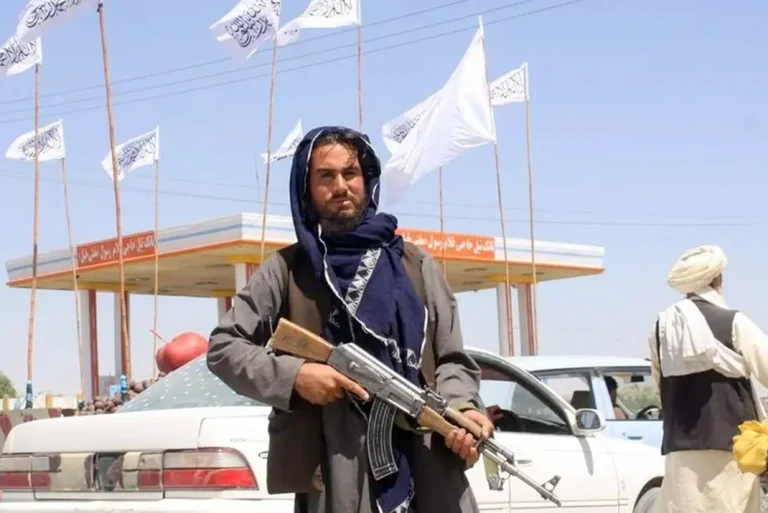
Brussels, Belgium – The Association of Independent Afghan Lawyers in Exile, based in Brussels, has declared that the penal code issued by the Taliban authorities for Afghan courts lacks legal legitimacy both domestically and internationally.
The association asserted that the code contradicts Islamic law, principles of criminal law, human rights, and Afghanistan’s international obligations.
In a statement released on Thursday, the association said the code was unilaterally adopted and nullified all previous international laws and agreements to which Afghanistan was a party.
This, according to the association, constitutes a clear violation of the legal system in place before the Taliban’s return to power.
The document violates criminal justice
She added that the document, in both its content and structure, violates the foundations of criminal justice and human dignity.
She also noted that its inclusion of corporal punishments such
as flogging contravenes the Convention against Torture, which Afghanistan has ratified.
In addition, she criticized what she described as the “implicit normalization of slavery.”
She also condemned the failure to establish a minimum age of criminal responsibility, restrictions on religious freedom, and gender-based discrimination.
The penal code was published last month and deemed effective, bearing the signature of Taliban leader Haibatullah Akhundzada.
Punishments vary according to social class
A spokesperson for the Taliban’s Supreme Court confirmed the document’s authenticity.
Notably, he also noted that punishments for certain discretionary crimes might vary depending on the defendant’s social class.
The association called on governments and the international community to explicitly declare the code illegitimate
and its implementation a serious violation of human rights.
It also urged the Human Rights Council, the UN Special Rapporteur on Afghanistan,
and the United Nations Assistance Mission in Afghanistan (UNAMA) to document the impact of its implementation.
In particular, they emphasized its effects on women, children, and vulnerable groups.
These criticisms come amid growing international concerns about the human rights situation in Afghanistan since the Taliban’s return to power in 2011.