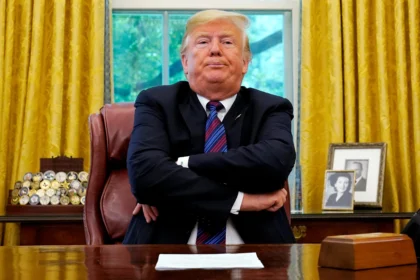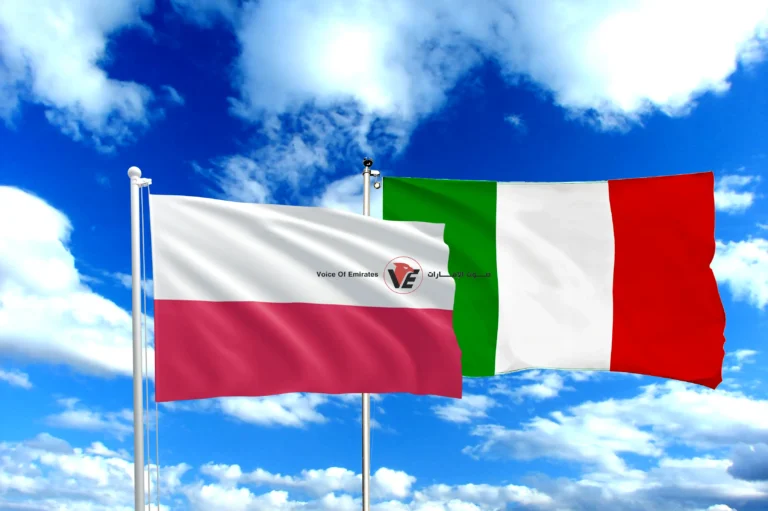
Poland and Italy have announced they will not join the Peace Council established by US President Donald Trump. They thus join a number of Washington’s allies who have chosen to remain outside the initiative at this stage.
The council’s stated objective at its inception was to support and strengthen the ceasefire in Gaza.
However, Trump later expressed a desire to expand the council’s role to include resolving other international conflicts.
This has led to reservations from some countries.
They fear the council could become a parallel entity to the United Nations or
a competitor in managing international peace and security issues.
Polish Prime Minister Donald Tusk stated during a cabinet meeting
that his country would not join the council “under the current circumstances.”
He cited internal concerns regarding its structure and operations. He added that Warsaw would continue to monitor developments.
At the same time, he emphasized that relations with the United States “have been and will remain a priority” for Poland.
He also indicated that the decision not to join did not preclude participation in any future format under potentially different terms.
In the same vein, Italian Foreign Minister Antonio Tajani confirmed that Rome would not join the council.
Italian Prime Minister Giorgia Meloni, known for her close ties to Trump, had announced last month
that she had requested amendments to the council’s terms to allow Italy to participate. No agreement has yet been reached.
This cautious European stance also comes in light of the invitation extended to Russia and Belarus to join the council.
This has prompted several Western capitals to reconsider their position.
Meanwhile, there are questions about the nature of the political balance within this new framework and its potential role in the international system.