
Washington, DC – The Director General of the International Atomic Energy Agency (IAEA), Rafael Grossi, stated that the agency “firmly believes” that approximately 400 kilograms of uranium enriched to 60%, belonging to the Islamic Republic of Iran, remains stored in facilities damaged during the 12-day war. Grossi warned that this quantity could be sufficient to produce several nuclear weapons. He added that any attempt to conceal it under rubble would be “alarming” from a nuclear non-proliferation perspective.
Grossi noted the discovery of an underground nuclear site in Isfahan, which Tehran had announced before the outbreak of war. He said the agency had requested immediate access to it, and a visit was scheduled for June 13. However, Israeli attacks prevented the visit. Grossi explained that agency inspectors have been unable to visit the facility since the start of the fighting. Currently, there is no information available about its use, dimensions, or any progress made there. This raises further concerns about monitoring Iran’s nuclear activities.
Grossi explained that the agency is almost certain that nuclear material remains at the targeted sites, stating, “This material is enough to make about 12 nuclear bombs, which has an undeniable proliferation dimension, even if it is hidden under the rubble.” He revealed a sharp disagreement with Tehran, as Iranian officials are preventing inspectors from accessing the sites bombed with the world’s most powerful conventional weapons. While Iran cites security and structural reasons, Grossi believes the denial is purely political and has no technical justification.
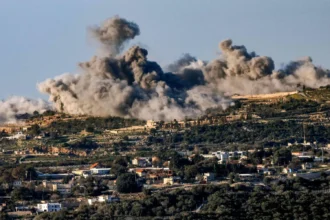
These statements come at a sensitive time following the Israeli and American attacks on Iran’s nuclear facilities during the 12-day war. Tehran has banned inspectors from entering the country in response to those attacks. Despite Iranian President Masoud Pezeshkian’s statements about the possibility of inspectors returning, Grossi said this could be an indication of a “desire for transparency,” thus casting doubt on any justification for further attacks. Western countries are anxiously monitoring the fate of 400 kilograms of uranium enriched to 60% purity, which Tehran declared it possessed before the military strikes. Concerns have also grown about the regime’s ability to recover and use this uranium for military purposes, despite the damage to the facilities.