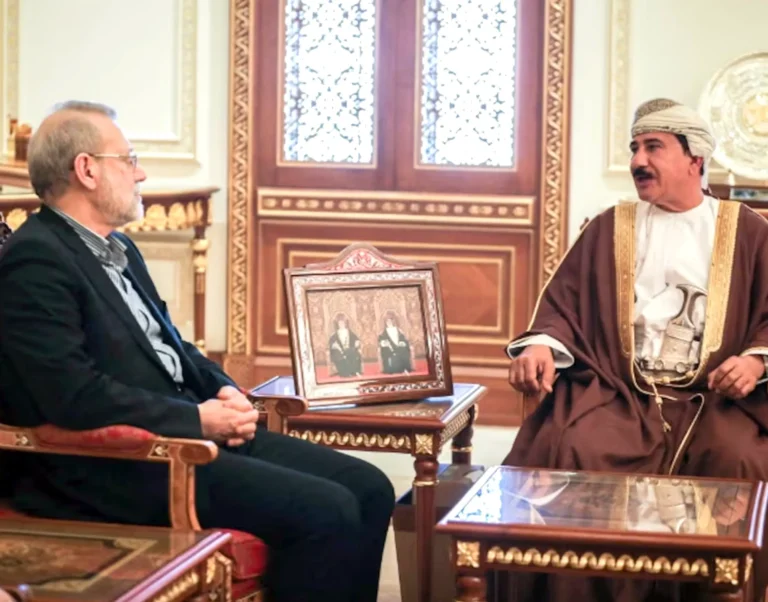
Muscat, Oman – Ali Larijani, advisor to Iranian Supreme Leader and Secretary of the Supreme National Security Council, discussed ways to reach a “balanced and fair” agreement with the United States during his visit to Oman. This comes as Washington and Tehran prepare to resume negotiations aimed at averting a new conflict in the region.
Larijani’s visit to Muscat on Tuesday followed days of indirect talks between Iran and the United States, mediated by Oman. Tehran stated that these talks paved the way for continued diplomatic engagement. They also allowed for an assessment of the US side’s “seriousness.” Iranian Foreign Ministry spokesman Esmail Baghaei confirmed that the visit had been planned in advance. In addition, Larijani will later travel to Qatar. Qatar has also played a mediating role in previous regional crises.
Resolving disputes and promoting peace
The official Oman News Agency reported that Larijani discussed with Sultan Haitham bin Tariq the importance of returning to dialogue to resolve differences and promote regional and international peace and security. It also noted that the talks lasted approximately three hours. However, no date or location has yet been announced for the next round of talks between Washington and Tehran.
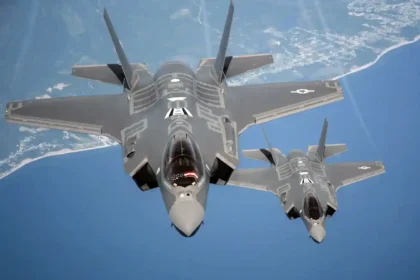
The diplomatic efforts come amid escalating tensions, following the deployment of a US naval fleet to the region. This has raised concerns about potential military action. Last year, US President Donald Trump joined Israel in bombing Iranian nuclear sites. He also later threatened military intervention during protests inside Iran before backing down.
Lifting financial sanctions
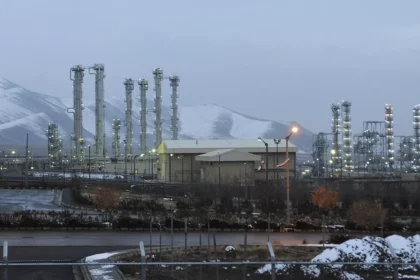
Washington is attempting to broaden the scope of negotiations to include Iran’s ballistic missile program, a move Tehran rejects, asserting that its missile arsenal is “non-negotiable.” In response, Iranian President Masoud Pezeshkian emphasized that any agreement must include the lifting of financial sanctions and recognition of Iran’s right to a peaceful nuclear program. This recognition includes uranium enrichment.
The head of the Atomic Energy Organization of Iran, Mohammad Eslami, stated that any reduction in the uranium enrichment level, currently at 60 percent, is contingent upon the lifting of all sanctions. For his part, US Vice President J.D. Vance clarified that President Trump will define the “red lines” in the upcoming negotiations. Meanwhile, fundamental disagreements continue to hinder the achievement of a comprehensive agreement.