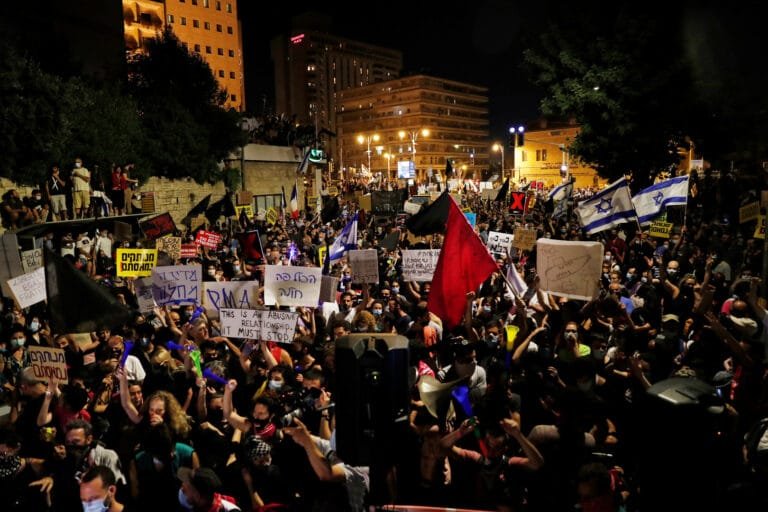
Tel Aviv, Israel – Thousands of Israelis took to the streets in mass demonstrations in several cities, most notably Tel Aviv, Jerusalem, and Haifa. The protests were against the policies of Prime Minister Benjamin Netanyahu’s government, amid escalating public anger and growing political division within Israeli society.
Protesters chanted slogans demanding early elections and criticized the government’s handling of security and economic issues. They also rejected controversial political decisions that have sparked widespread debate within political and judicial circles. Calls for Netanyahu’s resignation were also made during the demonstrations. Furthermore, the government was accused of deepening the internal crisis and threatening democratic stability.
Media reports confirmed that the protests were called for by opposition movements and civil society organizations. Some main roads were blocked, and police forces were heavily deployed to secure the demonstrations and prevent clashes.
Observers believe that the current wave of protests reflects a sharp polarization within Israel, particularly given the ongoing political tensions and disagreements within the ruling coalition, coupled with international pressure related to security and regional issues. These popular movements come at a time when Netanyahu’s government faces multiple challenges both domestically and internationally. This opens the door to complex political scenarios that could reshape the Israeli landscape in the coming period.
Massive protests rock Israel: Streets rise up against Netanyahu’s government as political crisis escalates
Israel: How do the demonstrations reflect political polarization?

Ali Ragab
Ali Ragab, editor at Voice of Emirates News Agency, Cairo office, is an Egyptian journalist and poet, a member of the Egyptian Journalists Syndicate, specializing in...
Lapid accuses the Israeli government of pushing the country towards a “security catastrophe” due to troop shortages
Lapid warns against exhausting the army and waging a multi-front war without a strategy or sufficient forces.
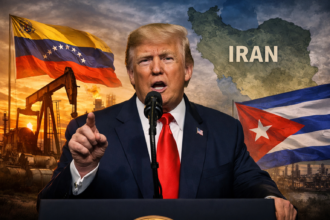
Trump brandishes the threat of Iranian oil, invoking Venezuela and intensifying pressure on Cuba
Trump expands his strategic pressure rhetoric, placing energy resources at the heart…
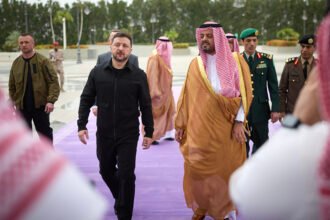
Saudi Arabia and Ukraine are preparing to sign an agreement for cooperation in air security in Jeddah
Zelensky's unannounced visit to the Kingdom culminates in an anticipated agreement to…
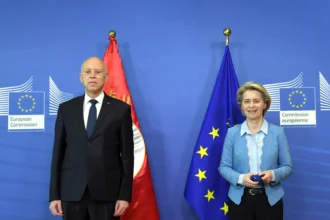
Tunis calls for a review of the partnership agreement with the European Union to achieve economic balance
Calls for a fairer relationship amid demands to amend trade