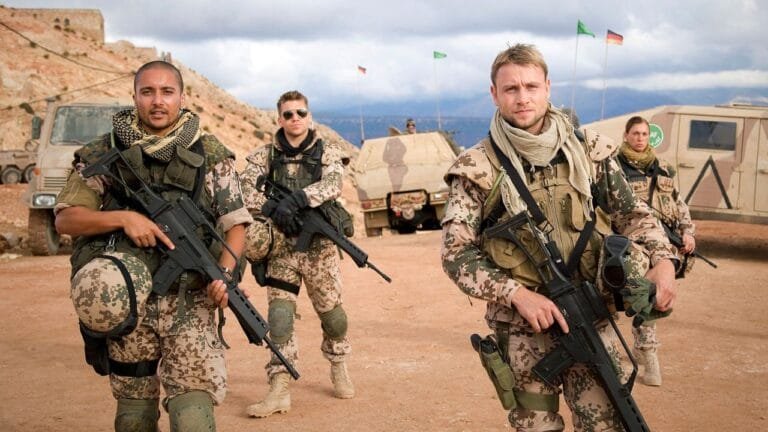
Berlin, Germany – The German government has announced a new military decision regarding the reassessment of the number of German troops deployed in northern Iraq. This move represents a strategic review of Berlin’s role within the international coalition against terrorism. It comes amidst rapidly evolving security developments in the region and growing concerns about the resurgence of extremist groups.
According to official German sources, the decision is part of a restructuring of foreign military missions. The German Ministry of Defense seeks to adjust the size of the deployed force to better suit the nature of current threats. It will focus more on training and providing logistical support to Iraqi and Kurdish forces, rather than a traditional large-scale military presence.
Berlin emphasized that its military presence in northern Iraq remains part of its commitments within the international coalition against ISIS. It indicated that any change in troop numbers does not signify a complete withdrawal, but rather a readjustment of deployment to ensure a rapid response to evolving security challenges, particularly given the continued activity of ISIS cells in some border and mountainous areas.
Observers believe the German move reflects a broader shift within European countries toward reducing direct military deployments in conflict zones. Conversely, there is a strengthening of the capabilities of local partners and a greater emphasis on their responsibility for maintaining security and stability. This approach has been gaining momentum in recent years as European security priorities have changed.
The decision also comes amidst debates within the German parliament regarding the cost and political and military viability of foreign missions. There is also internal pressure to redirect defense resources toward direct European challenges. This pressure has intensified, particularly after the war in Ukraine and the security tensions on the continent’s borders.
Experts believe that any adjustment to the German military deployment could affect the balance of power within the international coalition in Iraq. This is especially true if similar steps are taken by other countries. Therefore, this might compel Baghdad to accelerate the development of its own capabilities to counter potential security threats.