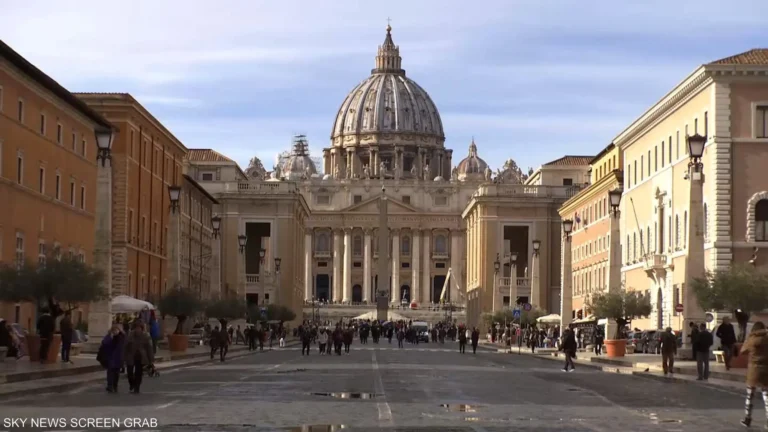
Rome, Italy – In a surprising move that sparked a wave of media and artistic controversy in Italy and Europe, the Vatican decided to remove the image of Italian Prime Minister Giorgia Meloni from a controversial mural adorning one of the squares of a historic church in Rome.
Those responsible for the project used white paint to cover her features. They asserted that the decision was made “to preserve the spiritual and artistic character of the space.” This sparked widespread debate among artists, critics, and political observers about the implications of this action.
Political analysts considered the move an indirect message, suggesting that prominent political figures could become symbols that can be erased from the public sphere if deemed controversial or inappropriate for a historical and religious context. Others viewed the decision as a purely artistic precaution, devoid of any political dimension. However, it simultaneously reignited the debate about the relationship between art and politics in Italy. The public on social media platforms seized the opportunity to comment. Internet users shared before-and-after images of the mural, with comments ranging from mockery to condemnation. This propelled the issue to the forefront of local and international media attention.
By order of the Vatican and with white paint, Meloni’s features were erased from the controversial mural.
The Vatican removes Georgia Meloni's features from the mural

Medhat Elsheikh
Medhat El-Sheikh, editor-in-chief of the Voice of Emirates News Agency office in Cairo, is a seasoned Egyptian journalist with extensive experience both within Egypt and abroad....

Ghosts in the sky… Secret Israel drones penetrate deep into Iranian territory
"Shadow marches"...and the features of a new war
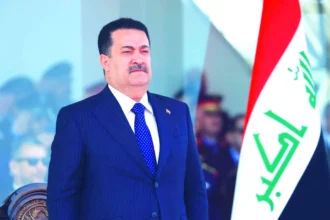
Sudani: Iraqi airspace is being violated by Washington and Tehran… and we will not be an arena for settling scores
Fears of spillover effects of tensions in the Gulf and the Strait…
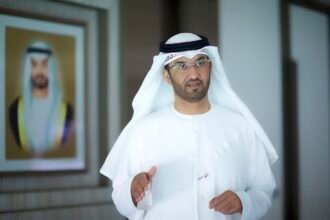
Sultan Al Jaber: Closing the Strait of Hormuz is economic terrorism that threatens the world and undermines market stability
The UAE affirms its commitment to energy security