Abu Dhabi, UAE – Doroob Group, which works in the field of extracting value from waste, and Tribe Infrastructure Group, an independent financial advisor for infrastructure and project developer, signed a joint development agreement with Clean Away Operations and Parks Energy Recovery.
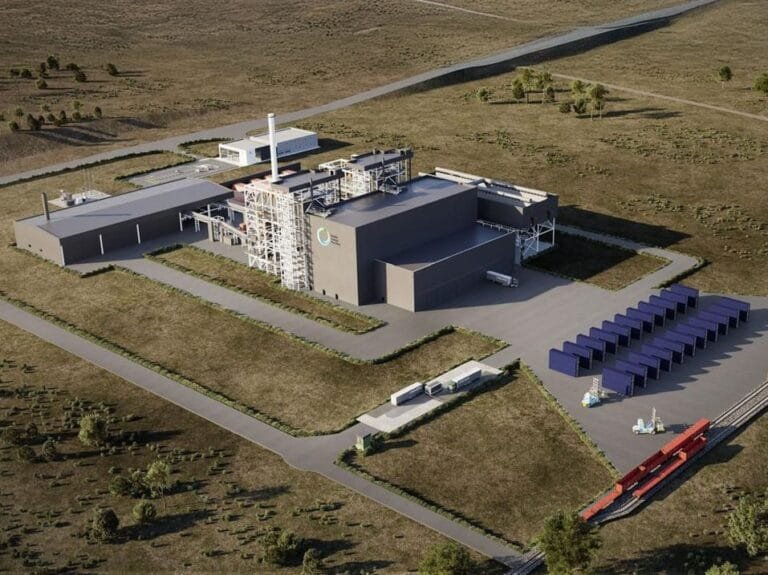
This is to develop a world-class waste-to-energy facility in Parkes, New South Wales, Australia.
Implementation will begin after the planning approvals are approved.
The project will focus on treating residential waste from the Greater Sydney area, by transporting it to the Parks area via railways and roads.
The partners will cooperate to develop infrastructure with a lifespan of between 30 and 40 years.
And an operational capacity to divert 700,000 tons of waste annually away from landfills.
This project constitutes a pivotal milestone in the “Tadweer” Group’s journey to build its international portfolio for waste-to-energy projects.
This contributes to meeting energy security requirements and promoting the transition towards a circular economy.
This facility is the first major investment project for a recycling group in Australia.
Which establishes a strategic base for it in the new market, and consolidates its presence and spread in it.
If the facility obtains the necessary approvals, it will contribute to supporting sustainability goals in Australia.
By diverting non-recyclable waste away from New South Wales landfills.
In addition to providing new job opportunities in the green sector, 400 job vacancies were created during the construction phase, and 50 permanent jobs were created with the start of operations.
It will also support local projects and supply chains, and long-term investment in critical infrastructure.
This joint agreement is added to the Tadweer Group’s project register in the field of converting waste into energy.
Which also includes a stake in the Sharjah Waste Conversion Plant after completing the relevant procedures.
Established in 2022 under the umbrella of Emirates Waste-to-Energy, the first commercial plant of its kind in the Middle East, it plays a pivotal role in supporting the UAE’s broader sustainability goals.
This is done by reducing the sending of waste to landfills and converting it into electricity, and increasing production capacity from 30 megawatts to 60 megawatts.
In addition to enhancing the capacity to treat difficult-to-recycle waste, avoiding twice the usual volume of emissions.