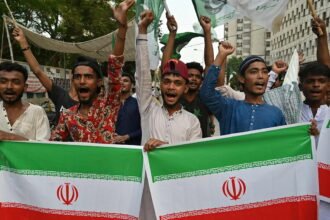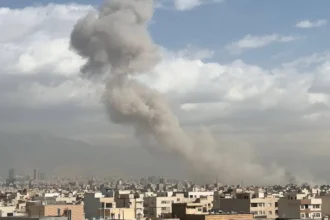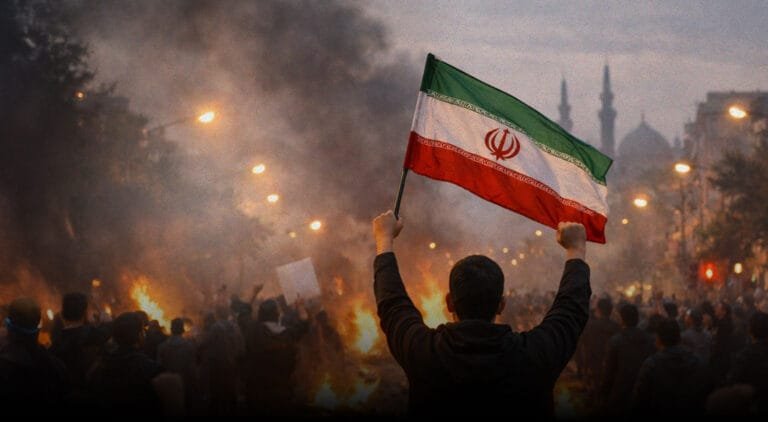
Tehran, Iran – In a significant development in the ongoing events in Iran, authorities have begun easing restrictions on the telecommunications network for the first time in 17 days. This easing has allowed for the flow of shocking information about the scale of the crackdown that has accompanied the anti-government protests, which erupted against a backdrop of deteriorating living conditions.
Official acknowledgment and thousands of victims
In a shift from its policy of denial, Iranian state television broadcast a report that included its first acknowledgment of fatalities. The report, citing an Iranian official, stated on Tuesday that approximately 2,000 people, including members of the security forces, had died during the clashes. Simultaneously, the television station aired a striking statement regarding “free services at funeral homes and morgues.” Observers interpreted this as an implicit reference to the scandal involving exorbitant fees charged to families of victims for the release of their loved ones’ bodies during the days of the clashes.
Human rights statistics: The death toll exceeds 2,500
For its part, the US-based Human Rights Activists News Agency (HRANA) revealed even more tragic figures, documenting at least 2,571 deaths as of early Wednesday. According to the organization, the victims were distributed as follows: 2,403 civilian protesters, 147 members of government-affiliated forces, 12 children (under 18), 9 civilians who did not participate in the protests, and more than 18,100 detainees across the country.
Testimonies from within: “Tehran is a ghost town”
As communications gradually returned, the Associated Press quoted testimonies from citizens in the heart of the capital, Tehran, describing a grim scene:
Widespread destruction: burned-out government buildings, smashed ATMs in the main streets.
Security siege: Heavy military and security presence in the city center with few pedestrians on the streets.
Challenging authority: The photos captured graffiti calling for “the death of the Supreme Leader,” an offense punishable by death under Iranian law.
Anxiety about the unknown: Citizens expressed their fears about the coming escalation. These fears include the possibility of foreign military intervention or potential US strikes.
Timing implications
Analysts believe that easing internet restrictions after 17 days of blackout is aimed at defusing mounting international outrage. However, the images and testimonies emerging from the “digital darkness” reflect the deep chasm between the Iranian regime and the public, which is demanding fundamental change.