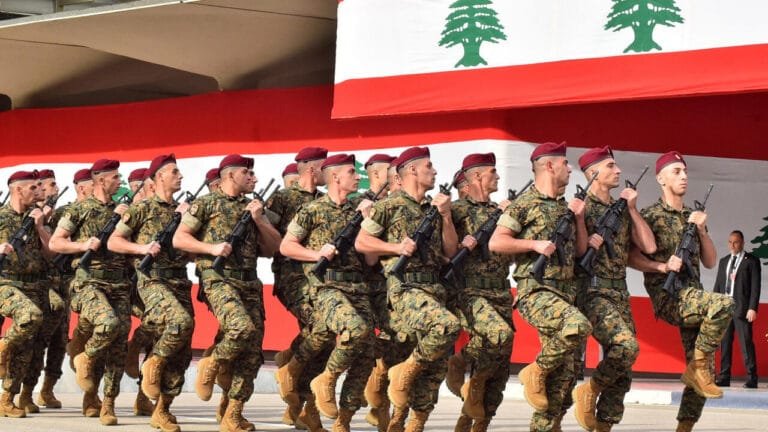
Beirut, Lebanon – The Lebanese Army Command – Directorate of Orientation, announced the achievement of the objectives of the first phase of the “Weapons Control” plan. It also confirmed the establishment of field control in the area south of the Litani River, reaffirming its full commitment to exercising exclusive responsibility for maintaining security and stability in accordance with the decisions of the political authority and international obligations.
“Homeland Shield” Plan: Comprehensive Assessment and Subsequent Phases
The army command statement explained that the plan has entered an advanced stage following the expansion of the operational presence and the securing of vital areas in the southern Litani sector. This excludes sites that remain under Israeli occupation. The statement also revealed an important next step:
“The army command is conducting a general and comprehensive evaluation of the first phase of the (Homeland Shield) plan. It will be relied upon to determine the course of subsequent phases of the plan, which is designed to ensure that armed groups are prevented from irreversibly rebuilding their capabilities.”
Challenges and obstacles to task implementation
The army openly acknowledged obstacles affecting the pace of implementation. Perhaps the most prominent of these is the continued violation of the cessation of hostilities agreement issued on November 27, 2014. The establishment of buffer zones also impedes access. Furthermore, the arrival of promised aid and military capabilities for the Lebanese army has been delayed. In addition, work continues on addressing tunnels and unexploded ordnance amidst significant risks to the military personnel.
International welcome and skeptical Israeli responses
The Lebanese army’s announcement elicited immediate and mixed international and regional reactions. Special Coordinator Jeanine Hennis-Plasschaert described the announcement as a “major development.” In a tweet, she also stated that the confirmation of control on the ground represents significant progress that strengthens the role of the monitoring mechanism.
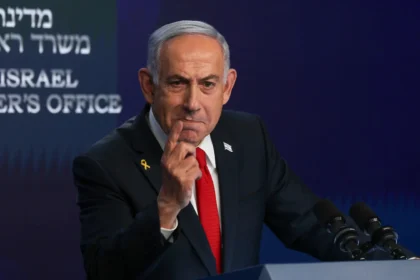
The Israeli response, delivered through Hebrew media outlets, was skeptical. Channel 12 quoted military sources as saying that the Lebanese army’s statement “contradicts reality,” claiming that Hezbollah maintains a presence south of the Litani River. Meanwhile, the Maariv newspaper indicated that Tel Aviv intends to release video footage purporting to show weapons and missile depots north and south of the Litani.
Thanks to UNIFIL and appreciation to the citizens
The army concluded its statement by commending the awareness and constructive cooperation of citizens in the south. It also affirmed its continued coordination with UNIFIL and the international monitoring mechanism. Furthermore, it expressed its appreciation for the efforts of the American and French teams in supporting the stability of the region.