London, Britain – The British government announced a new round of sanctions on Friday targeting individuals and organizations in Syria. It accused them of committing serious human rights abuses against civilians and fueling sectarian violence. This move underscores London’s commitment to accountability despite its support for reconstruction efforts.
Targeting leaders in the “New Defense”
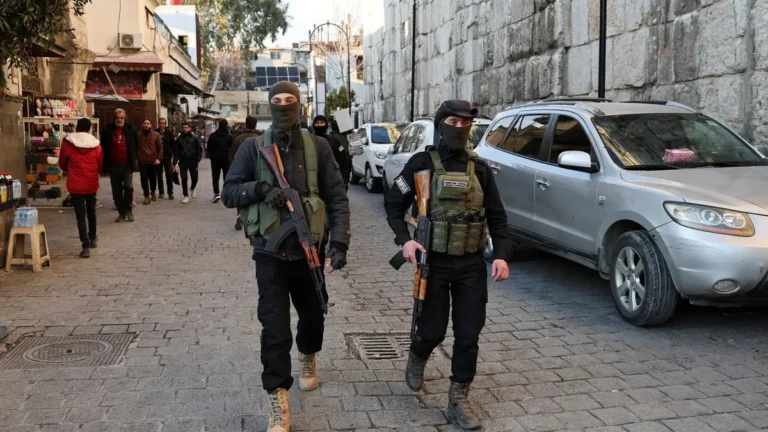
The British sanctions included asset freezes and travel bans against four individuals and three organizations. Among them are military leaders currently holding positions in the Ministry of Defense of the transitional government led by Ahmed al-Sharaa.
These measures are based on reports accusing them of involvement in acts of violence in the Sahel, as well as leading extrajudicial killings and repression targeting civilians (particularly from the Alawite community) during the events of March 2025.
Previous violations include documented repressive practices during the years of the civil war, especially in the Afrin and northern Syrian regions.
Accountability is a prerequisite for stability
In a statement, British Foreign Secretary Yvette Cooper stressed that “achieving accountability and justice for all Syrians, regardless of their affiliations, is essential to ensuring a successful and sustainable political settlement.”
These sanctions come at a significant time, as Britain recently began easing some economic restrictions to support the transitional government’s reconstruction projects a year after the collapse of the Assad regime. However, London has sent a firm message that economic openness will not come at the expense of turning a blind eye to warlords and those attempting to undermine civil peace.
Prosecuting former financiers
In addition to current military leaders, the sanctions targeted two individuals who provided vital financial support to Bashar al-Assad’s regime before its collapse. This indicates that Britain is continuing to monitor the financial networks that contributed to prolonging the conflict. Its aim is to ensure these networks do not become integrated into the new economic order.
With this move, Britain is placing the onus on the “transitional government” to rein in the armed forces under its command. It emphasized that full international recognition and substantial financial support are contingent upon Damascus’s ability to enforce the law and protect all segments of the Syrian people.