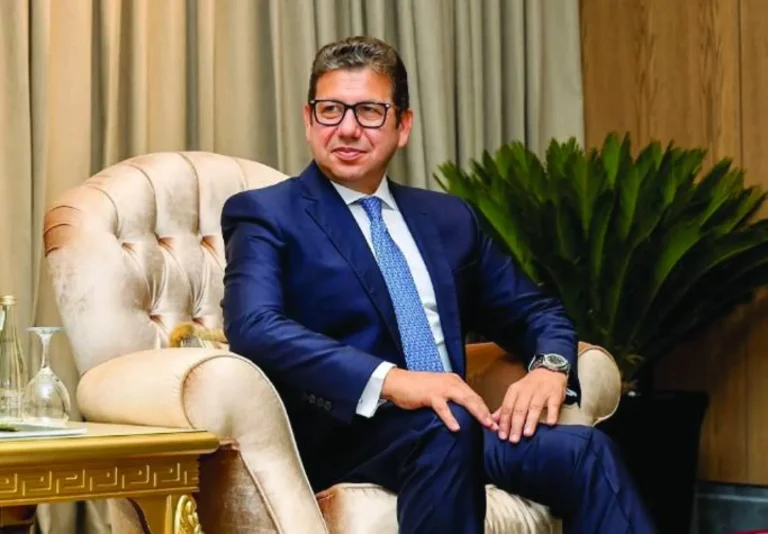
Cairo, Egypt – As part of Egypt’s ongoing efforts to contain the crisis in the Gaza Strip and alleviate the humanitarian suffering of its residents, Cairo hosted a new meeting of mediators and guarantors of the ceasefire agreement on Tuesday. The meeting was attended by the head of the General Intelligence Directorate, Major General Hassan Rashad, and the Qatari Prime Minister and Foreign Minister, Sheikh Mohammed bin Abdulrahman Al Thani, as well as the head of Turkish intelligence.
Cairo News Channel confirmed that the meeting extensively discussed mechanisms to accelerate joint efforts in cooperation with the United States. The goal is to implement the second phase of the ceasefire agreement, which represents a pivotal step towards consolidating the truce and advancing the process of restoring security and political stability in the Gaza Strip.
The meeting saw agreement among the participating parties to strengthen coordination with the Civil-Military Coordination Center (CMCC). Clear arrangements were also established to address any potential obstacles or violations that might hinder the implementation of the agreement, thus ensuring the ceasefire holds on the ground.
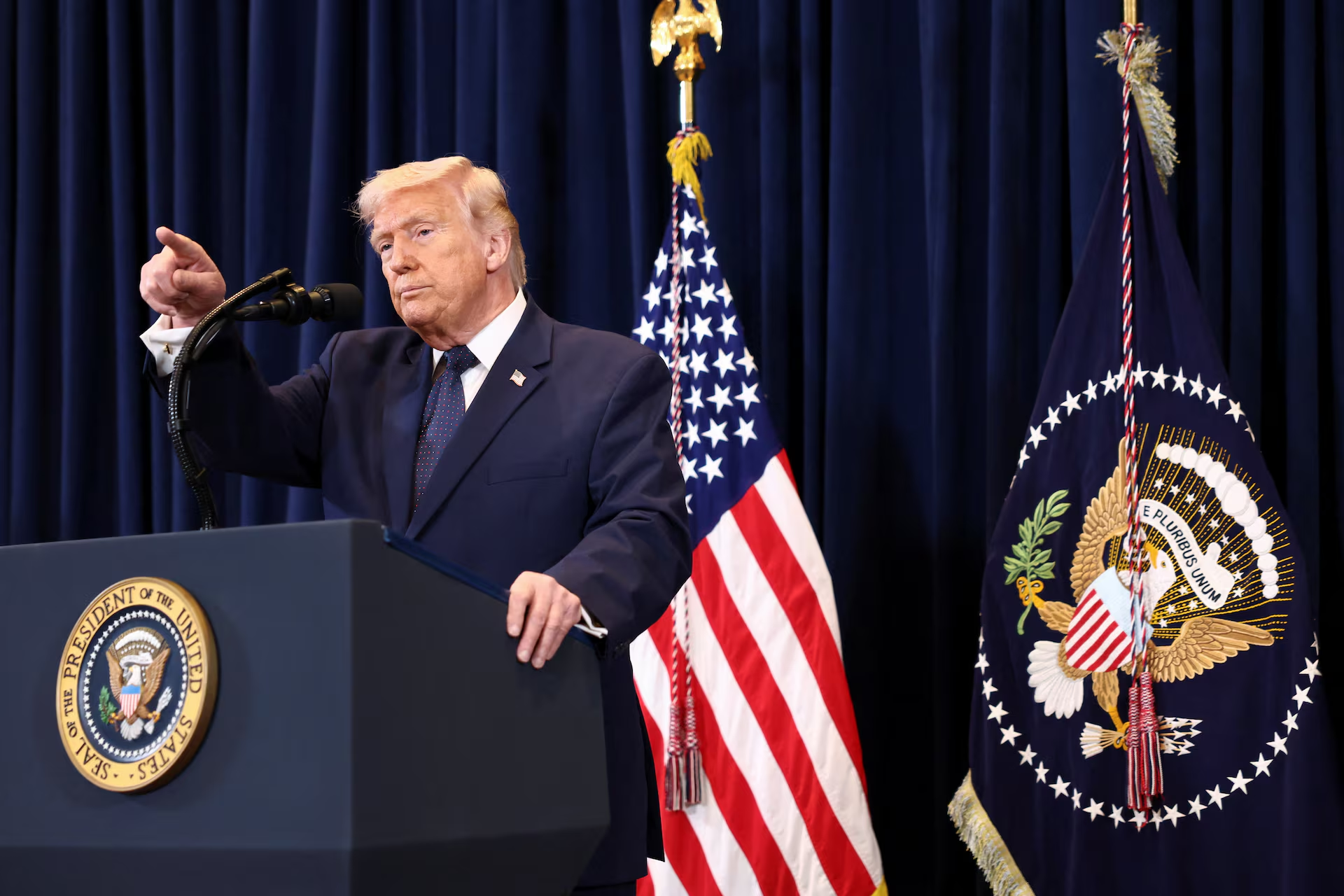
This meeting comes days after a Hamas delegation, headed by the movement’s chief negotiator Khalil al-Hayya, arrived in Cairo. The purpose of the visit was to discuss the details of the second phase of US President Donald Trump’s peace plan for Gaza. In a statement, Hamas said its delegation reviewed with the head of the General Intelligence Directorate the progress in implementing the ceasefire agreement and the situation on the ground in the Gaza Strip.
The Gaza agreement was officially announced during the Sharm el-Sheikh summit last October, with the participation of several world leaders. The agreement stipulated a permanent cessation of hostilities and the establishment of a comprehensive roadmap for the future of the Gaza Strip after the war.
The first phase of the agreement included a ceasefire beginning on October 10. It also included a prisoner exchange in which Hamas released 20 living prisoners and the remains of 28 others, in exchange for Israel releasing 2,000 Palestinians and the remains of more than 300 others. This step paved the way for renewed political and diplomatic efforts regarding the second phase.