Sudan – Authorities in South Sudan have placed former Vice President for Economic Affairs, Dr. Benjamin Bol Mel, under house arrest. This came less than 24 hours after a presidential decree dismissed him from all his posts and stripped him of his military rank. The move has been described as one of the most dramatic political developments since the signing of the peace agreement.
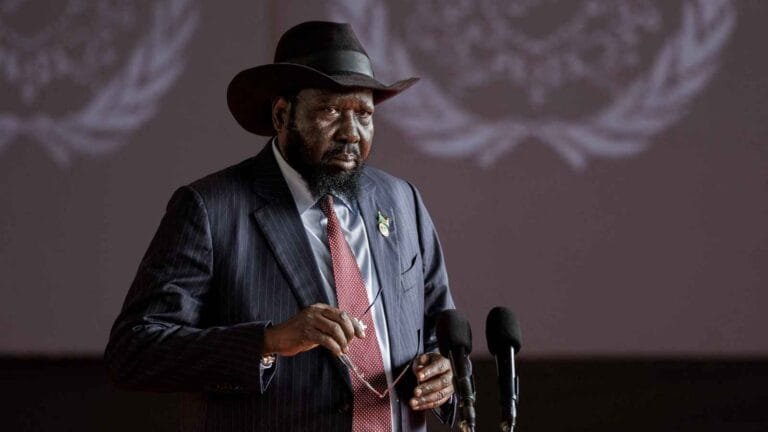
South Sudanese President Salva Kiir Mayardit issued a presidential decree Wednesday evening terminating Paul Mel’s duties as vice president and head of the economic sector. He was also demoted from the rank of lieutenant general to private within the National Security Service.
Paul Mel, 52, is considered one of the most influential figures in the government. He rose rapidly over the past year, assuming senior positions in the Sudan People’s Liberation Movement and the National Security Service. However, he suddenly lost his position.
Paul Mille has faced US sanctions since 2017 on charges of corruption and money laundering. He was also named in a recent UN report that accused companies linked to him of securing $1.7 billion in contracts for projects that were never completed.
The dismissal coincided with the removal of several high-ranking officials close to him, including the central bank governor and the head of the National Revenue Authority. Observers view it as a “restructuring within the presidential palace” aimed at dismantling Paul Mill’s power centers and redistributing authority.
South Sudanese media reported that army and military intelligence forces surrounded Paul Mel’s house in the Jebel neighborhood of Juba, the capital, on Wednesday evening. Entry and exit were prohibited until Thursday morning.
Sources indicated that security personnel confiscated documents, computers, and cash. They also seized Mel’s diplomatic and personal passports as part of what authorities described as “precautionary measures.”
Other sources confirmed that Paul Mill’s personal security detail had been replaced with new personnel. Strict restrictions were imposed on his movements and communications, preventing him from leaving his residence or contacting any outside party.