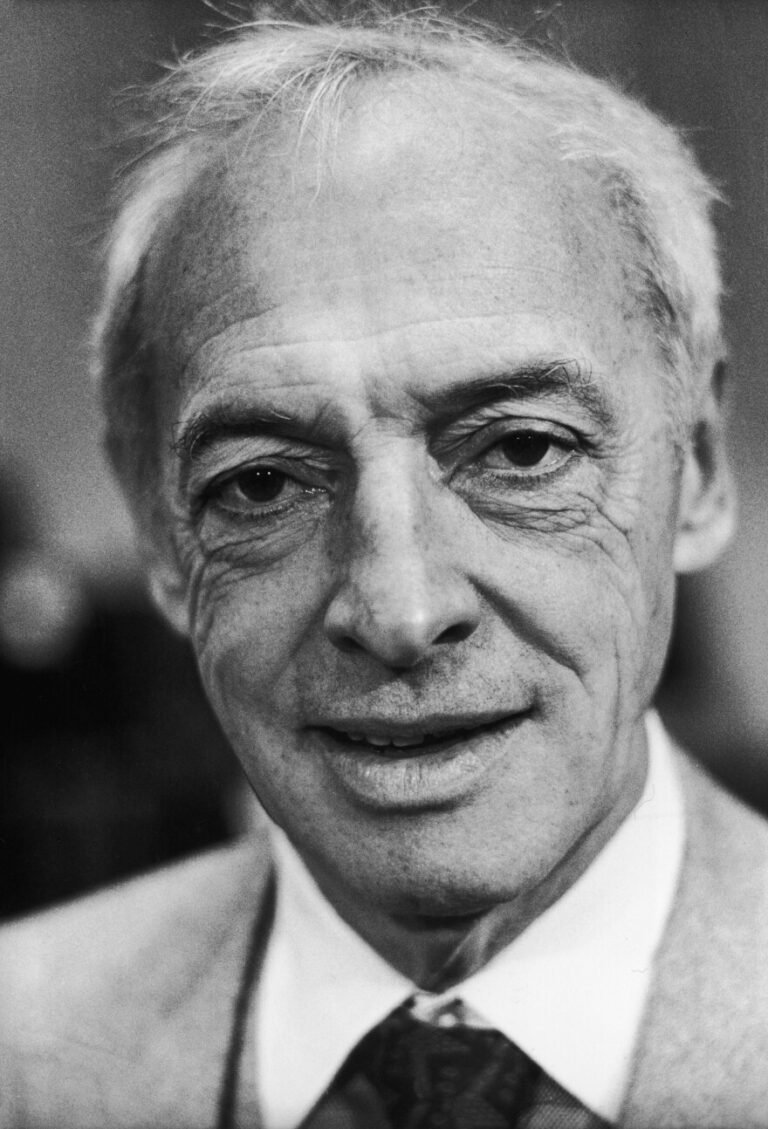
Washington, USA | Saul Bellow is considered one of the greatest literary figures of the 20th century. Consequently, he won the Nobel Prize in Literature in 1976 for his immense contributions. Moreover, his work focused on depicting modern man and his psychological complexities. As a result, Bellow became a landmark in modern literature. Thus, he successfully presented a deep human vision combining sharp analysis with daily life details with great skill.
Saul Bellow’s Writing Style and the Evolution of Modern Literature
Bellow was distinguished by a style blending irony with deep philosophical reflection. Accordingly, his novels addressed issues of identity and alienation in contemporary societies. In addition, his works reflected the isolation individuals face in big cities. Conversely, novels like “Herzog” are considered fundamental pillars of modern literature. Therefore, critics view them as having established a new narrative trend combining intellect and realism.
Saul Bellow’s Literary Legacy and Global Influence
Bellow contributed to the development of the American novel after World War II. On the other hand, his style made him an essential reference for every researcher in modern literature. Consequently, his literary voice remains present and influential among the greatest writers of his era. Ultimately, Bellow remains a bridge connecting philosophy and human narrative. Accordingly, his works remain an integral part of world literature worth reading and analyzing.