Washington, DC – The United States is experiencing growing concern following a significant increase in cases of dengue fever (also known as “breakbone fever”).
This has reignited fears of the spread of mosquito-borne diseases within the country.
This concern is particularly heightened by climate change,
which has contributed to the increased range of disease-carrying insects.
Serious, life-threatening complications
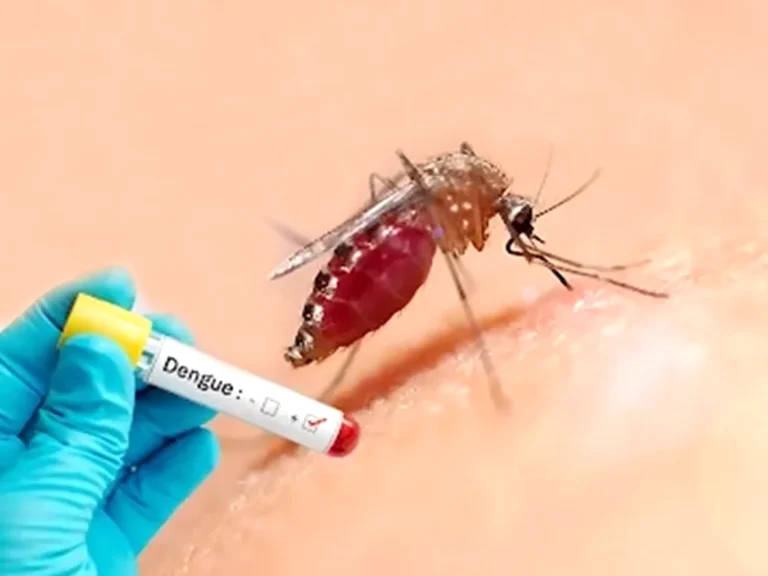
Health authorities confirmed that the recent increase in cases is linked to the spread of certain types of mosquitoes.
The most prominent of these is the Aedes aegypti mosquito, known for its ability to rapidly transmit the virus between humans.
This raises the possibility that limited infections could escalate into wider outbreaks in the coming months.
Reports indicate that some states, particularly in the South and warmer climates, have recorded local cases unrelated to travel.
This reflects a worrying shift in the disease’s spread pattern,
as it was previously largely confined to those arriving from endemic areas.
Health experts warn that breakbone fever can cause severe symptoms, including high fever and excruciating joint and muscle pain.
In some cases, it can also develop into serious, life-threatening complications,
especially among the elderly and those with weakened immune systems.
Guiding citizens and taking preventive measures
In light of this surge, authorities have intensified their efforts to combat mosquitoes through extensive
spraying campaigns and monitoring of stagnant water sources.
They have also advised citizens to take preventative measures, such as using insect repellent and avoiding bites,
especially during periods of high mosquito activity.
Observers believe this situation represents an early warning of broader health threats
as climate change increasingly impacts environmental patterns.
This could pave the way for the emergence and spread of tropical diseases in regions previously unfamiliar with them.
As cases continue to be monitored, concerns persist about a potentially hot summer in the United States.
The danger is not limited to rising temperatures; it extends to a tiny mosquito that could carry a significant health crisis.