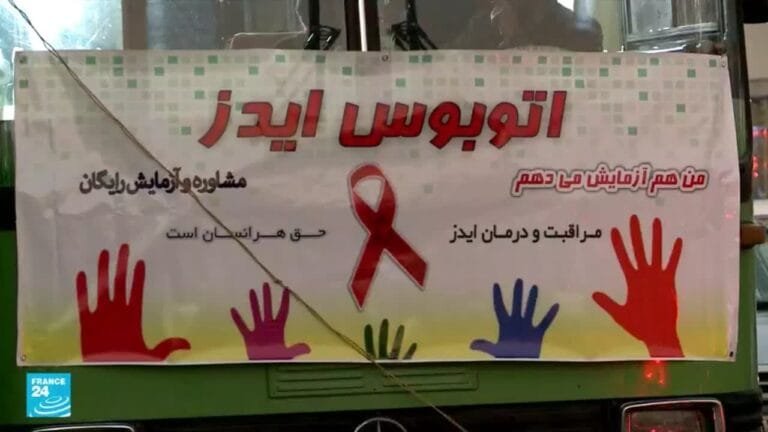
Tehran, Iran – Iranian health ministry officials have revealed a significant shift in HIV infection patterns in the country. Recent statistics show an increase in transmission through unprotected sexual contact. Conversely, there has been a sharp decline in infections transmitted through contaminated needles.
A radical shift in the ways infections are transmitted
Official statistics for the first six months of 1404 (2015) indicate a qualitative shift in the course of the virus compared to the previous ten years:
Decrease in needle-trapping infections: Infections transmitted through contaminated needles have decreased from 52% to 7%.
Decrease in needle-trapping infections: Infections transmitted through contaminated needles have decreased from 52% to 7%.
Sepideh Alizadeh, director of the Noor Sepideh Hedayat Institute, explained that Iran’s past success in avoiding a wave of needle-borne infections was due to the effectiveness of its sterile syringe distribution system. This has now changed due to a decrease in the number of injections and a shift in the types of medications used.
The infection rate is increasing among women.
The change in the pattern of spread confirms the increasing proportion of infections among women. While women previously constituted 19% of all those infected with the virus, their percentage has risen to 31%. This increase in diagnosed cases in the first half of this year confirms their growing vulnerability to infection.
The Joint United Nations Programme on HIV/AIDS (UNAIDS) warns that dismantling prevention programs designed for young women worldwide increases their vulnerability. It also notes that 570 new HIV infections will be recorded daily among women and girls (aged 15-24) globally in 2024.
Globally, UNAIDS warned that cuts to AIDS budgets, partly due to the US decision to reduce funding, have led to the biggest setback in decades. This could result in 3.3 million new infections if targets are not met by 2030.
Treatment is available and prevention is possible.
Iranian health officials have confirmed that HIV medication and treatment are provided free of charge and with complete confidentiality. Experts emphasize that a person receiving effective treatment becomes HIV-negative after 3 to 6 months. They can then live a normal life, marry, and have children without transmitting the virus.