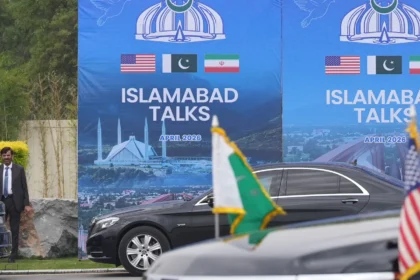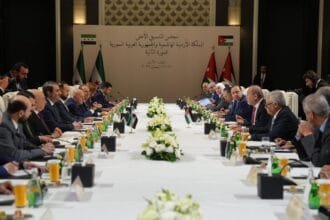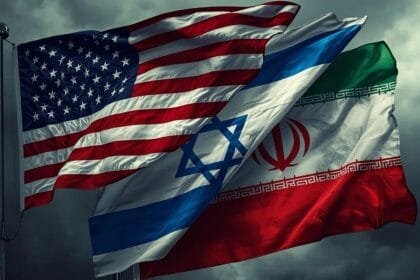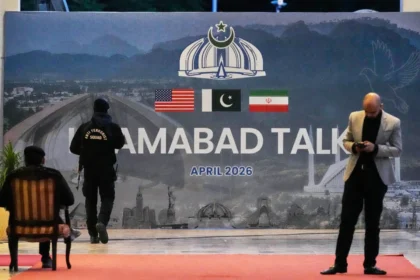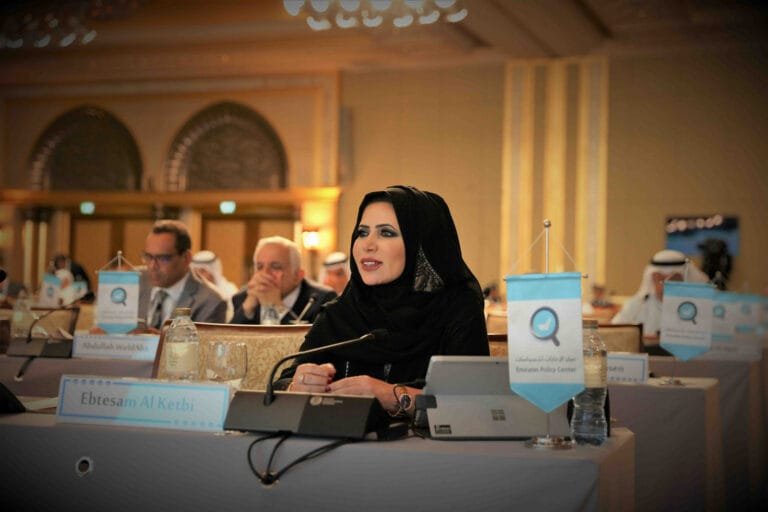
Abu Dhabi, UAE – In a strategic analysis of the escalating political tensions between Washington and Tehran, Dr. Ebtisam Al-Ketbi, founder and president of the Emirates Policy Center, commented on the stalled Islamabad negotiations. These negotiations lasted for approximately 21 hours without reaching a final agreement.
The shift was from “avoiding escalation” to “shaping the terms”.
Al-Kutbi, speaking on the “X” platform, argued that this failure does not necessarily mean the closure of diplomatic channels, but rather represents a fundamental shift in the nature of the conflict.
Al-Kutbi stated, “The failure of the Islamabad negotiations does not close the door, but rather redefines it; we are witnessing a transition from ‘negotiations to avoid escalation’ to ‘escalation to reshape the terms of negotiation.’” She explained that the next phase will not be decided by words alone, but through a complex interplay between “the battlefield and diplomacy.” In this context, each side seeks to raise the cost of the other’s continued involvement before reaching any compromise.
Washington leaves with the “final show”.
This comment coincided with US Vice President J.D. Vance’s announcement Sunday morning that the US delegation had left Pakistan without signing an agreement. Vance revealed that Washington had left behind a “very clear proposal” and a specific framework representing the US administration’s “final offer.”
The long-standing “nuclear commitment” dilemma
The US Vice President noted that the infrastructure of Iran’s nuclear program and enrichment facilities had been effectively dismantled. However, the fundamental obstacle remains the absence of a “fundamental and long-term Iranian commitment” not to pursue nuclear weapons in the future.
Vance emphasized that Washington has not yet seen this essential commitment, which is crucial for regional security. Nevertheless, there is hope that the Iranian position might shift regarding the proposed final draft.
“Active stalemate” and field scenarios
Al-Kutbi and Vance’s perspective reflects a state of “active stalemate.” In this context, the crisis is shifting from hotel lobbies in Islamabad to arenas of mutual pressure. Everyone is still awaiting Tehran’s response to the “latest offer.” Meanwhile, Washington is signaling that its strategic patience is contingent on the realism of Iran’s commitments in the coming phase.